
The #1 condiment in America. Nobody ferments it.
You already eat salsa every week. You have never tasted it alive.
Store salsa is cooked in a vat and sealed dead so it can survive a warehouse in July. Yours sits on your counter for five days while living bacteria turn six grocery store ingredients into something that fizzes on your tongue, costs about three dollars, and disappears at every cookout before you can get a second scoop.
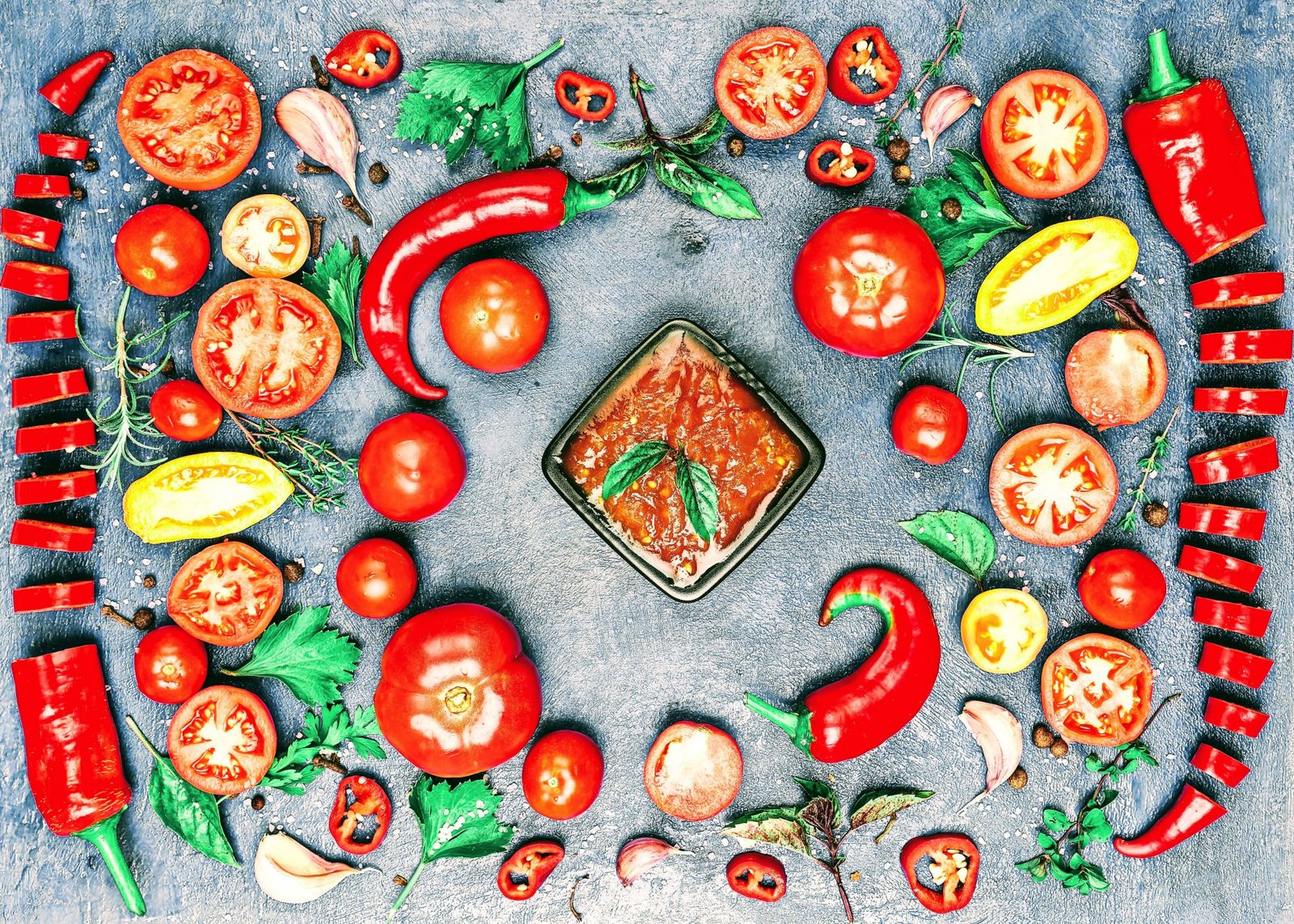
- About $3 a pint
- Twenty minutes of your time
- Grocery store ingredients
- Same method as pickles and kraut
I was the guy buying salsa three times a week.
Pace. Tostitos. Whatever was on sale. I never turned the jar around. It went in the cart the way toothpaste goes in the cart. The whole family eats it. Chips after dinner, eggs in the morning, tacos on Tuesday. I must have bought five hundred jars over twenty years without reading the back of a single one.
Salsa outsells ketchup. Has since the early nineties. It is the number one condiment in America and every household buys it. Nobody reads it.
I turned the Old El Paso jar around one night and counted. Diced tomatoes in tomato juice, water, tomato paste, onions, white vinegar, salt, rehydrated onion, sugar, rehydrated green bell peppers, dried garlic, cilantro, citric acid, lemon juice concentrate, calcium chloride, spice extract. Fifteen ingredients. I grabbed the Tostitos. Tomato puree (water and tomato paste), diced tomatoes, jalapeno peppers, onions, vinegar, salt, natural flavor, garlic powder. Shorter list, but start with the first two words. Tomato puree. Not tomatoes. A concentrate, reconstituted with water in a plant.
Tomatoes, onion, jalapeno, cilantro, lime, salt. That is salsa. Six ingredients. That is all it ever was. The other nine on that Old El Paso label are not there for you. Calcium chloride keeps the tomato chunks firm in the jar. Citric acid holds the pH steady without fermentation. Sugar replaces the flavor that cooking destroyed. Every one of them solves a manufacturing problem that would not exist if somebody made it in a kitchen instead of a factory.
Then I made my first jar of fermented salsa and realized I had been eating the wrong product for twenty years.
Not wrong like poison. Wrong like settling. The store version is cooked and pasteurized so it can sit on a shelf for eight months without changing. The trade is that everything alive in it died on the day they sealed the lid. What you pour onto your chips is a memory of salsa preserved in a jar of acid.
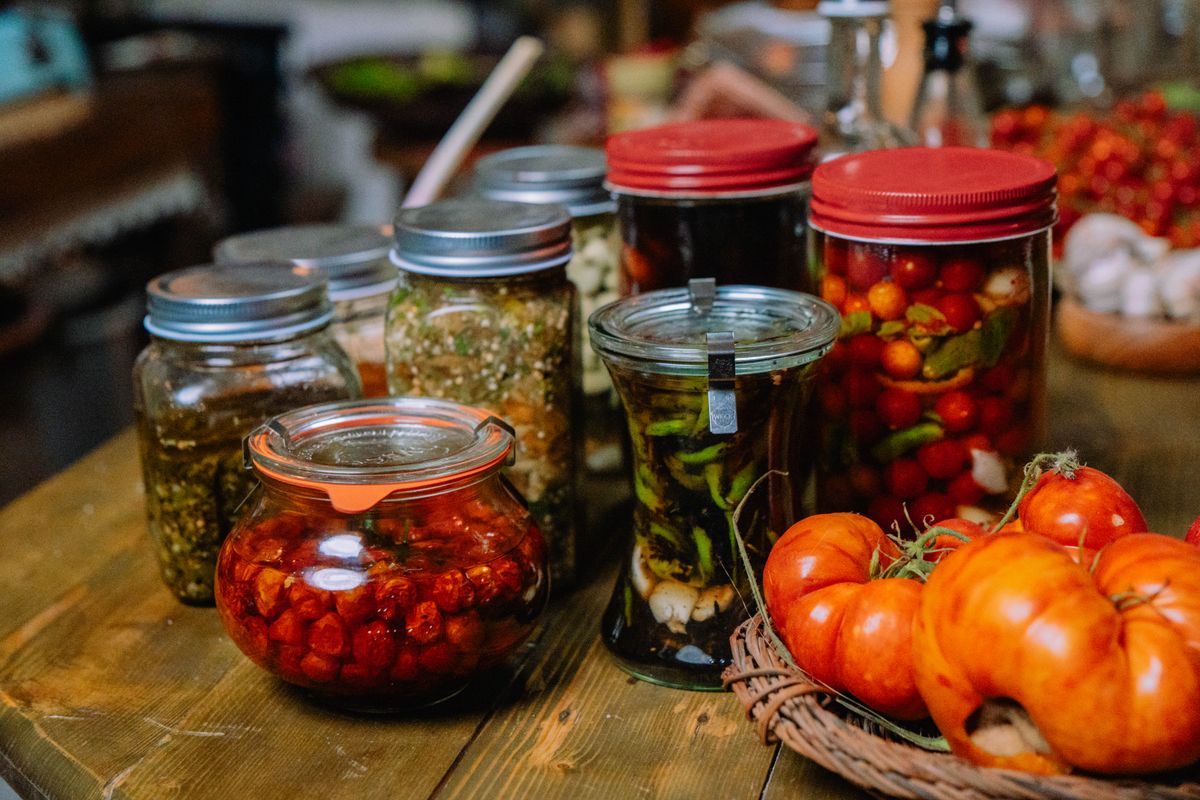
The version on my counter has been alive for five days. The bacteria ate the tomato sugar and made acid and carbonation and flavor compounds that do not exist in raw salsa and cannot survive a kill step. It fizzes on the first bite. People at the table stop talking.
That was the jar that made me realize fermented salsa belongs in the course. Same salt. Same scale. Same jar. Same counter. Different vegetables, and a completely different reaction from everyone who tries it.
Four jars in the fridge. Every one of them is gone by Friday.
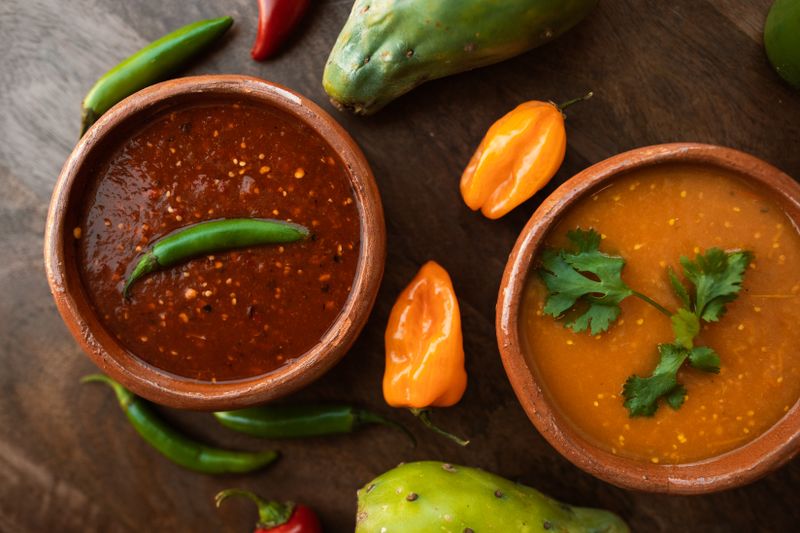
Classic red with lime and cilantro
The salsa at the restaurant you always order extra of. Tangy underneath, bright on top, a slow heat that builds after the third chip. Five days on the counter and it comes back deeper than anything that went in. You will make this fifty times and adjust it every single time, because now it is yours.
Mango habanero
Sweet, then hot, then tangy, in that order, and it belongs on fish tacos and grilled chicken and a spoon at midnight when nobody is watching. The fruit sugar makes this one ferment fast and hit hard. This is the jar people ask for by name after the first time they try it.
Pineapple jalapeno
Bright, tropical, moderate heat. Sharper and more complex than any fresh pineapple salsa you have bought in the refrigerated section, because the fermentation built flavor compounds a blender cannot fake. On pork. On shrimp. On a chip by itself at three in the afternoon.
Fermented hot sauce
Longer ferment, blended smooth, bottled. Deep, round, complex heat that the raw pepper never had. About two dollars a bottle to make at home. The bottle you hand somebody at Christmas that costs you nothing and lands like thirty dollars.
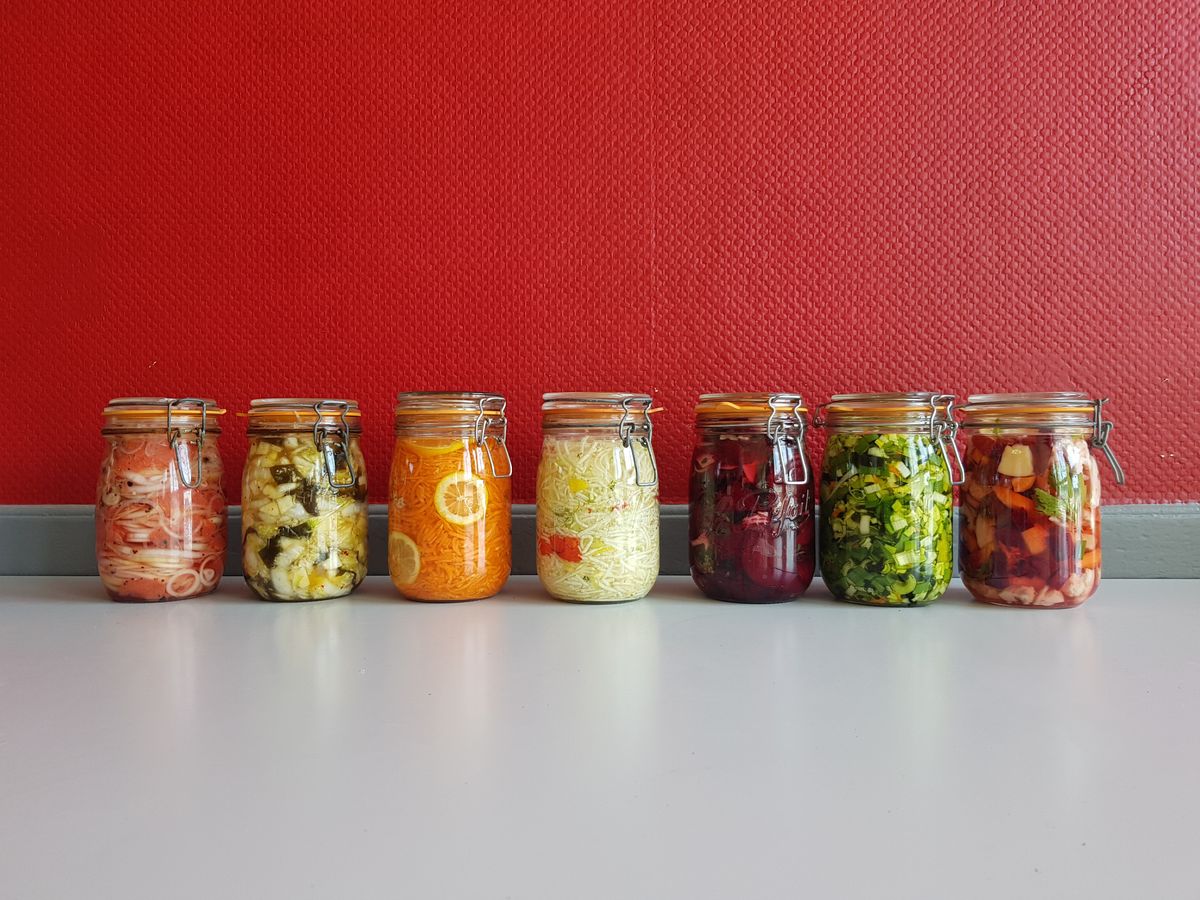
Every one of these uses the same fermentation method you learn once in the course. Same skill, different vegetables. If you can pack a jar of pickles, you can pack a jar of salsa tonight.
Twenty minutes. Six ingredients. One jar. Walk away.
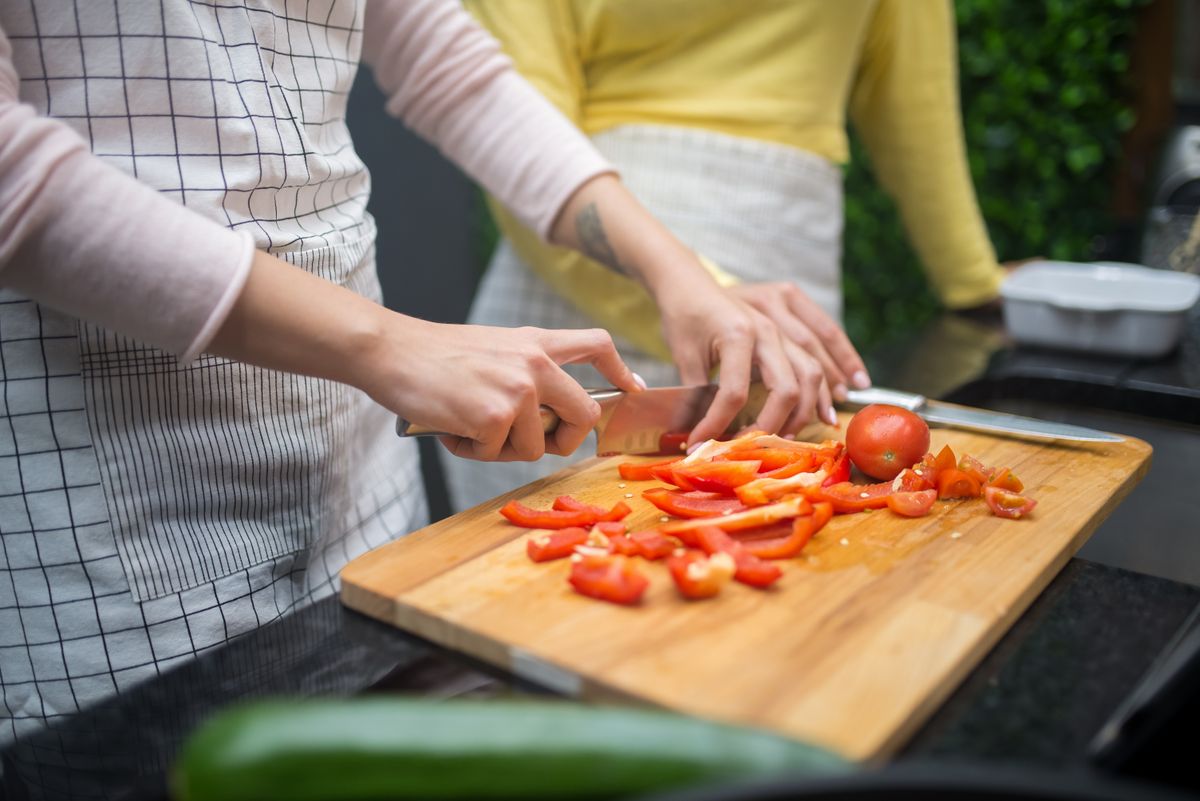
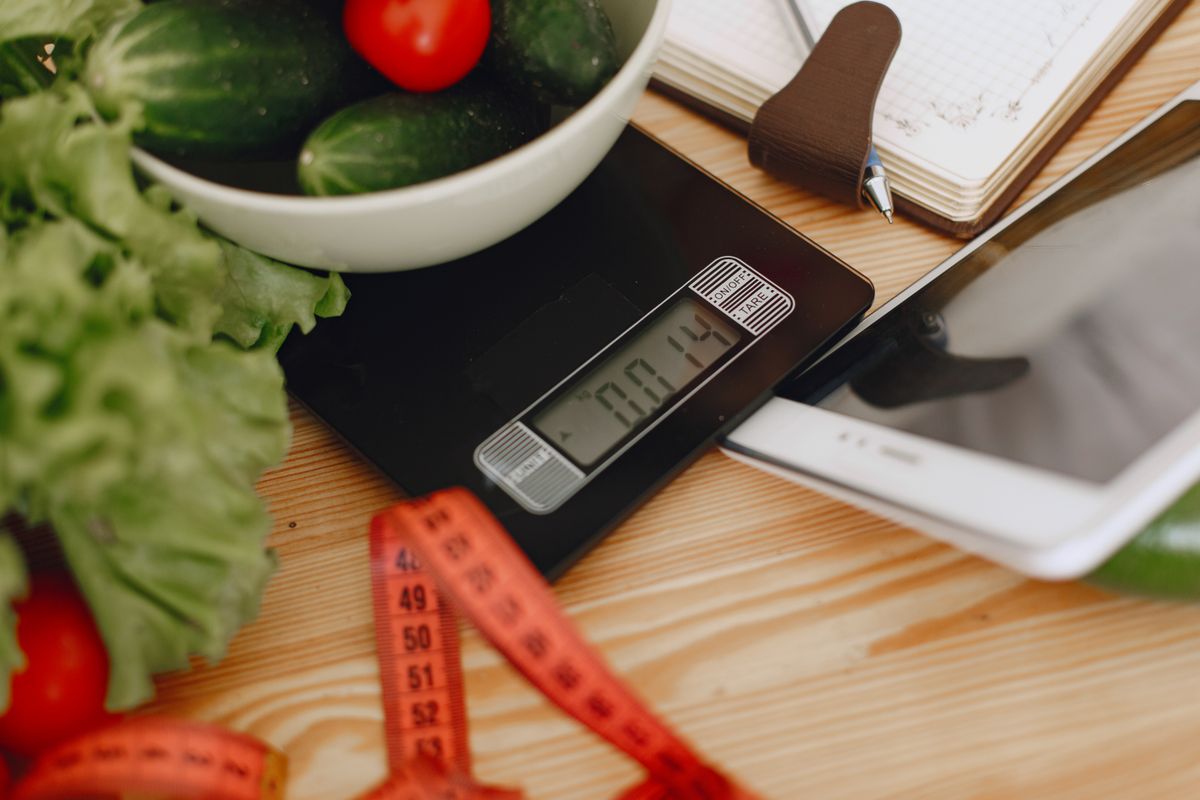
Six ingredients from the produce section. A kitchen scale. A jar. Twenty minutes of chopping, and then you walk away.
Five days later you open the jar and it hisses. The smell is sharp and clean, like a good deli at the door. You scoop it onto a chip and something hits your tongue that was not there when you sealed the lid. Tangy. Slightly fizzy. Deeper than anything that came out of a store jar. About three dollars worth of produce and twenty minutes of your time.
Fresh pico de gallo lasts three to five days in the fridge. Yours lasts two to six months. Same jar. Same chips. Except yours is still alive when you eat it and theirs never was.
I'll tell you exactly what's in the jar. What it does for you is between you and your body.
Pickles. Kraut. Salsa. Kimchi. Hot sauce. Same method. One course teaches all of it.
Here is what I realized after my fourth jar of salsa went perfectly: this is not a new skill. It is the same skill I already teach in The Mineral Brine System. The salt, the jar, the counter, the waiting. Identical. Pickles, kraut, kimchi, salsa. One method runs all of them.
Fermented salsa is the brine course with different vegetables in the jar.
The student who finishes Module One already has the foundation. The corrected salt number. The one rule that keeps every jar safe. The method that makes everything after it repeatable. By the time you reach the salsa module you are not learning a new skill. You are choosing new ingredients.
You do not need a salsa course and a pickle course and a kraut course and a hot sauce course. You need one course that teaches the skill. Then you own all of them.
That is what The Mineral Brine System is. One method, one purchase, and everything after that is choosing what goes in the jar. The salsa module walks you through the flavor profiles, the heat levels, and the fruit salsas that turn this into the most fun thing in your kitchen.
Salsa is the one ferment that requires zero explanation.
Sauerkraut is an acquired taste. Kimchi divides a room. Pickles are great but they sit on the side of the plate.
Salsa shows up at a cookout with a bag of chips and people gather around it without being asked. You do not explain it. You do not sell it. You set it down, open the bag, and watch it disappear.
Then somebody asks what you put in it. Then they ask where you bought it. Then you tell them you made it and something shifts in the conversation, because nobody expects that answer.
It is the jar you bring to the table that nobody can figure out. The salsa that tastes like the expensive restaurant version, except it costs three dollars, took twenty minutes, and sat on your counter while you forgot about it.
Every other ferment I teach requires a sentence or two of explanation before somebody tries it. This one requires chips. Put a bowl on the table and walk away. The bowl will be empty before you come back, and somebody will be asking you for the recipe.
That makes salsa the gateway. The ferment that converts people who have never thought about live food. The one that proves the concept without teaching, because the proof is in the first bite and nobody has to be talked into salsa.
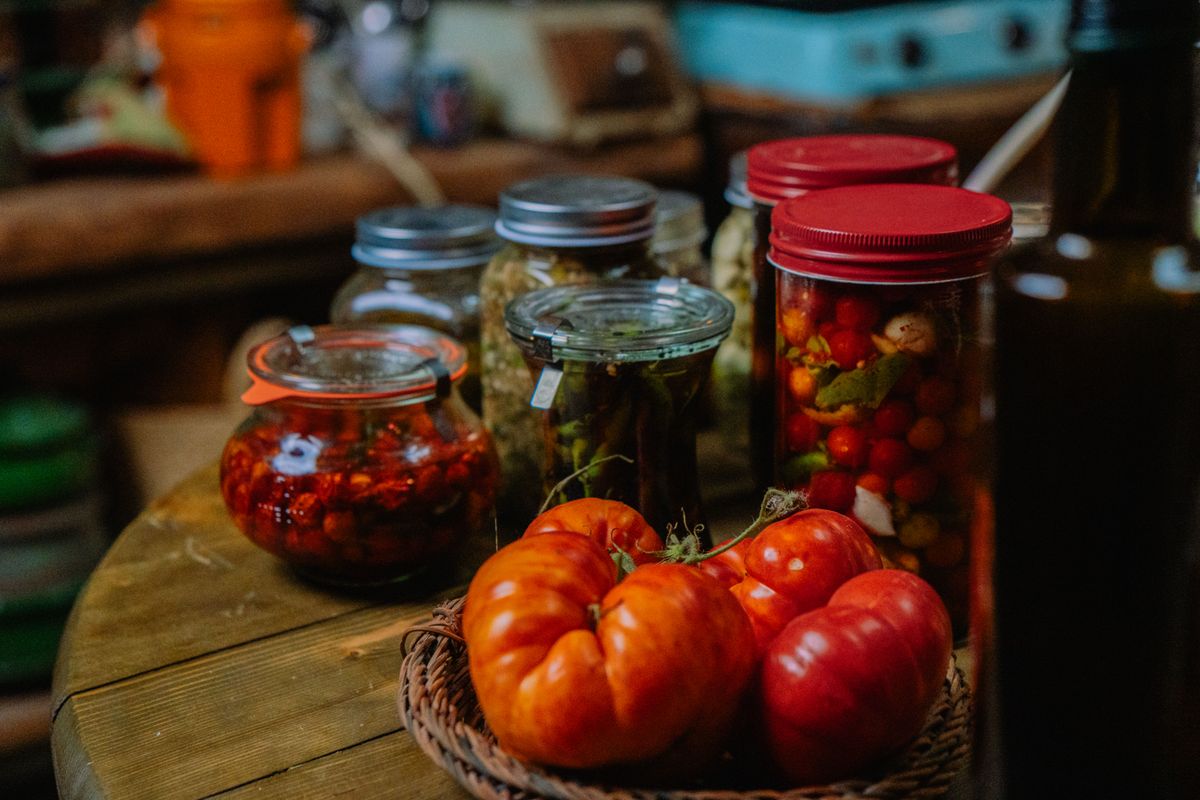
The Mineral Brine System
Fermented salsa is one module inside the full course. You also get pickles, kraut, kimchi, brine shots, and the salt science that makes all of it work. One method. One purchase. Every jar you will ever make.
- The True Salinity Method. Why mineral salt is roughly 83% sodium chloride, what that does to every recipe online, and the one correction that fixes it. This is the foundation under everything else.
- Your first jar, tonight. Red onion. Pint jar. Ten minutes. Five days later you are eating it. The fastest ferment in the course, and the one that proves the method works before you commit to anything larger.
- Fermented salsa, four ways. Classic red. Mango habanero. Pineapple jalapeno. Peach serrano. The recipes, the ratios, the heat management, and the timing for fruit salsas that ferment faster than vegetables.
- Fermented hot sauce. Same method, longer ferment, blended smooth. About two dollars a bottle to make. Cayenne, habanero, or whatever is in season.
- Pickles that snap. The crunch problem, solved. Why your cucumbers went soft and the one variable that fixes it.
- Sauerkraut, kimchi, and the Brine Bar. Eight pours from one counter. The daily shot that comes free with every jar you pack.
- The salt chart. Tested NaCl percentages for the brands people actually buy. The only page in this course that was independently documented, and the one I would steal if I were somebody else.
$147 once
One payment. Not a subscription. Lifetime access. Salsa, pickles, kraut, kimchi, hot sauce, brine shots. All of it.
Instant access. Nothing ships. You can pack a jar of salsa tonight.
The guarantee, said plainly
Pack one jar using the method from the course. If it does not work, email me and tell me what happened. I will refund you in full, and then I will help you figure out what went sideways anyway, because a failed jar is almost always one of three things and I would rather you ended up with salsa than with your money back.
Sixty days. No form, no hoops.
Why $147 for a course that includes salsa?
Because the salsa module alone is not the product. The product is the method that makes salsa possible, and pickles possible, and kraut and kimchi and hot sauce and brine shots all possible. One skill, one purchase, and you own every fermented vegetable for the rest of your life.
Here is the arithmetic. A jar of fermented salsa from the refrigerated section at the grocery store runs $5 to $7. The equivalent pint at home costs between $2.80 and $4.85 in produce, plus about ten cents in salt. Make one pint a week and the course pays for itself somewhere around week thirty. Make two and it crosses over at fifteen.
Add the pickles. Add the kraut. Add the brine shots at $15.99 for thirteen ounces off the shelf. A year of buying those things the way you have been buying them runs somewhere between $600 and $1,200 depending on your habits, and every one of them costs between one and three dollars at the counter.
I would rather sell you the skill one time than rent you the outcome forever. That is the whole thesis, and it applies to the salsa the same way it applies to everything else in the jar.
If that already worked for you, do not read the rest of this page.
Get the course, $147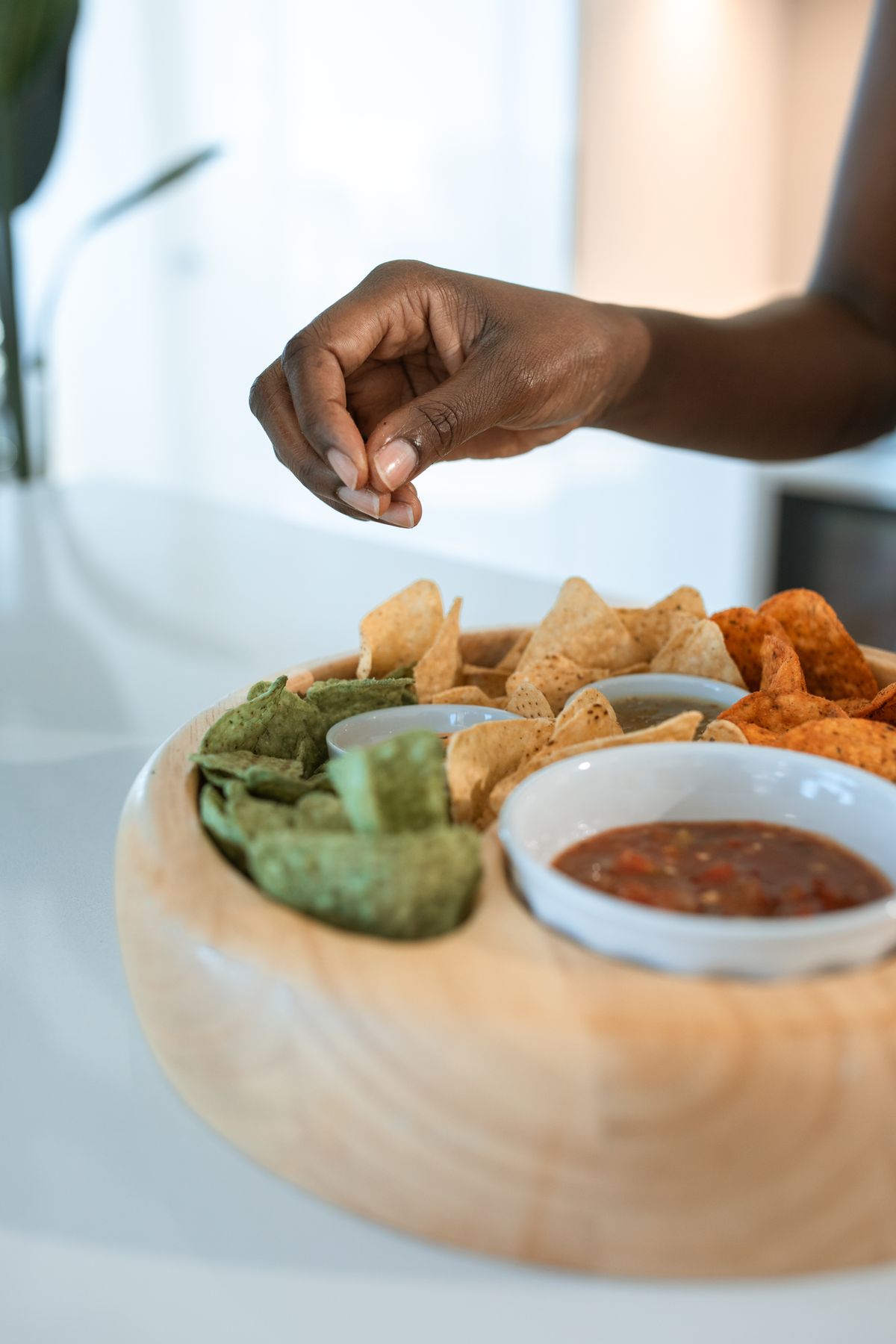
Four things stopping you. I have heard all four.
"I do not have room for another project."
Chopping salsa takes twenty minutes. Then you walk away and the jar does the rest without you for five days. There is no stirring, no checking, no babysitting. It sits on the counter and you forget about it until Tuesday. The total time investment across one week is twenty minutes on Saturday and thirty seconds on Thursday to move it to the fridge.
"I already tried fermenting and it went wrong."
If you got a soft jar or a moldy one, it was almost certainly a salt problem. Mineral salt is roughly 83% sodium chloride, and every recipe online assumes 100%. The course corrects for that with one number and a calculator. The second most common problem is submersion. Chunks float, mold lands on whatever is above the liquid line. A fermentation weight solves it. The course covers both before you pack your first jar.
"I can find salsa recipes free online."
You can. And they will tell you to add two teaspoons of salt, which means nothing on a scale. Or they will say 2% salt, which is correct except the salt in your cupboard is not 100% salt and nobody mentions that. The course is not the recipes. The course is the method underneath the recipes that makes every jar work instead of most jars working sometimes.
"$147 seems like a lot for salsa."
It is not a salsa course. Salsa is one module. You also get pickles, kraut, kimchi, hot sauce, brine shots, the salt chart, and the calculator. One method that runs every jar you will make for the next ten years. If you only want the salsa, the free guide below has the base recipe and the salt correction. Start there and see if the method works for you before you spend anything.
That is all four. If none of them are yours, here is the button.
Get the course, $147Do not buy this if
- You only want a salsa recipe. The free guide at the bottom has the base recipe and the salt correction. Start there and keep your money.
- You want a health cure. I do not sell one. Read the honesty line above and take it literally.
- You will not pack the first jar. The guide is free. Use it. Come back when you have something fermenting on the counter.
- You think fermented food tastes weird. It tastes like the food you already eat, except tangier and alive. But if you are not willing to try a chip with it, this is not your course.
Hot sauce is a $3.2 billion market. The fermented end is the premium end.
Walk the hot sauce aisle at any store. The cheap bottles are vinegar and peppers, cooked and sealed. The expensive ones, the small-batch bottles people line up for at farmers markets, those are fermented. The difference is time, and you can taste it.
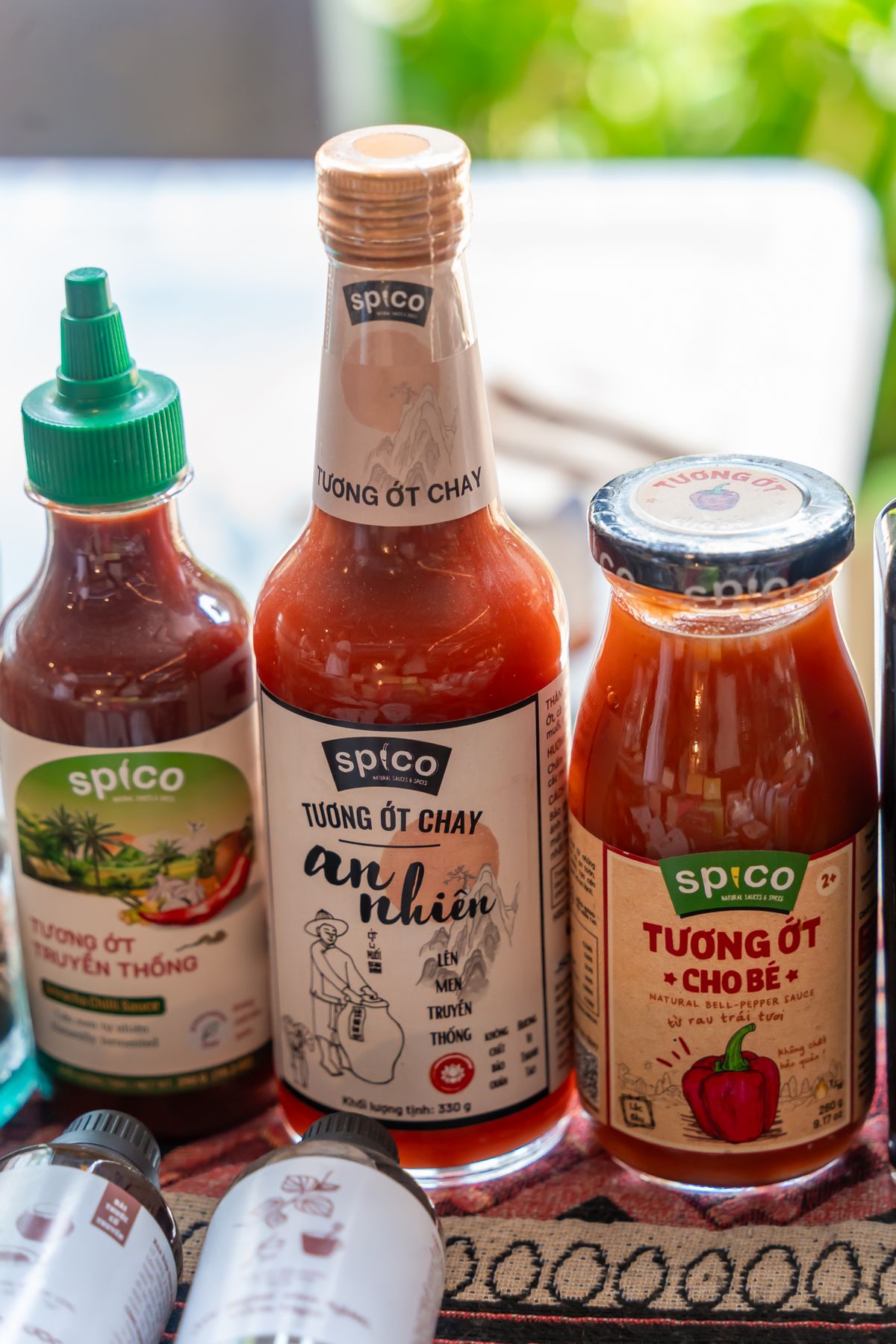
The difference in flavor is the same difference you taste in the salsa. A raw pepper is sharp and one-note. A fermented pepper is deep, round, complex. The heat is still there. The capsaicin molecule does not break down during fermentation. But something happened behind the heat that was not there before, and that something is two to six weeks of bacterial activity building flavor compounds a blender cannot fake.
The course teaches both. Chunky salsa in jars. Smooth hot sauce in bottles. One is the thing you eat with chips. The other is the thing you put on everything else, or bottle and hand to someone who will not believe you made it.
About four dollars in peppers. The store version of that same bottle runs eight to fifteen dollars. You make it with the same skill and the same jar.
Both are real. You have been living the first one.
You close this page
Nothing bad happens. The same jar of store salsa goes in the cart this weekend, the same fifteen ingredients you cannot pronounce, the same five dollars for something that was cooked in a factory and sealed dead six months ago. You will eat it the way you always eat it. It will taste the way it always tastes. Fine. Familiar. Nothing alive in it.
You make a jar Saturday morning
Twenty minutes chopping. Salt. Pack. Lid. Five days on the counter while the bacteria do something the factory cannot do and the store cannot sell. Thursday night you open the jar and it hisses, barely, just enough to notice. You scoop it onto a chip. The tang hits first. Then the heat. Then something underneath both of them that was not there when you sealed the lid, something that only time and living bacteria can build.
You do not have to get it right. You have to get it moving. Pack the jar this Saturday.
Here is exactly what happens next.
Click the button. It opens Gumroad. The price says $147 and there is no other price, no upsell, no second screen asking for more.
Enter your email and your card. You get access on the same screen, not in twenty-four hours.
Inside, go to Module One. Do not browse. Module One ends with you packing a pint of red onion, the fastest ferment in the course. Five to seven days later you are eating it. Then open the salsa module and make your first pint this Saturday with whatever is in the produce section.
The people at your next cookout will not believe you made the salsa. They will ask where you bought it. And that is the moment where you know the three dollars and twenty minutes were worth it.
Six ingredients. One jar. Five days. The method that runs all of it.
Get the course, $147One payment. Lifetime access. Sixty days to change your mind.
Questions I get before people buy
I have never fermented anything. Can I still do this?
The course starts at zero. Module One ends with you packing a pint of red onion, which is the simplest ferment there is. If you can slice vegetables and read a kitchen scale, you are qualified. The salsa module builds on that same foundation, same method, different produce.
How long does fermented salsa last?
Two to six months in the fridge, submerged. Fresh pico de gallo lasts three to five days. Same ingredients, same jar, same chips. The difference is five days of fermentation on the counter, and that five days turns a three-day product into a three-month one.
Is it safe?
A finished vegetable ferment sits at pH 3.5 to 4.0, below the 4.6 threshold that food safety work treats as the line. Same preservation science as pickles, kraut, and kimchi. Salt at the front and acid at the back are the whole safety system, which is why the weighed number matters and why it is the first thing you learn.
Do I need special equipment?
A jar, a kitchen scale that reads grams, and salt. That is the list. No crock, no airlock, no fermentation chamber, no pH meter. If you already own a pint mason jar and a scale, your startup cost is one bag of salt.
Can I make it as hot as I want?
The course covers five pepper varieties from mild to habanero. You set your own heat. The fermentation does not reduce capsaicin, so whatever goes in comes back out, plus depth and complexity that the raw pepper never had. If you want mild, leave the seeds out. If you want brutal, leave them in and add a habanero. Your jar, your rules.

Kevin
The Bread & Brine Society
Toledo steelworker's kid. Combat veteran. I coach capital gains deferrals for celebrities, pro athletes, politicians, business owners. I am not hurting for work. This is not that.
A genetic scientist with nearly $200 million in his own research sat me down years ago and wrecked my whole understanding of food. Beta-glucans pasteurized completely out of the diet. Glycation from ingredients the body was never built to process. A food pyramid built on guidance the meat industry lobbied to water down in 1977, and it stood for 49 years before somebody flipped it upside down this January. He looked at me and said: if that can change, what else should you be looking at?
I have not stopped looking. I turn boxes around now. Every one of them. The nutritional value is depleted but the habit is still there. Breakfast, lunch, dinner. We are overeating dead food and paying more for it every year. I turned the salsa jar around and found fifteen ingredients where six would do. I had been feeding it to my family three times a week without reading the back. That pissed me off. These are simple things that carry a big impact. Salt, water, a jar, and five days on the counter.
Teresa and I make everything ourselves now. It changed things we did not expect it to change. The salsa was the jar that converted the rest of the family, because nobody has to be talked into salsa. I will tell you exactly what is in the jar. What it does for you is between you and your body. But I will say this: we did not expect it, and we are not going back.
P.S. Fermented salsa lasts two to six months in the fridge. Fresh pico de gallo lasts three to five days. Same ingredients, same jar, same chips. The difference is five days of fermentation on the counter, and that five days turns a three-day product into a three-month one. The course teaches you why, and the why is the same biology that makes pickles and kraut last all winter.
P.P.S. If you want to see whether any of this works before you pay me anything, the crunch guide is free and the salt correction is inside it. Make a jar of salsa with the correction and without it, side by side. The jar that used the corrected number will still be good in a month. The other one probably will not. That is the whole pitch in one experiment, and it costs you nothing but two jars and ten days. Link is below.
Not ready to buy? Start with the free guide.
The Crunch Guide has the base fermented salsa recipe, the salt correction, and the salt chart for the brands people actually use. No purchase required. Make a jar this weekend and test the method before you spend a dollar.
No spam, nothing to pay. Unsubscribe anytime.
P.S. The brine course includes the salsa module, the hot sauce module, and everything else. If you already know you want it, skip the guide and go straight to the course. See The Mineral Brine System →
The jar is the doorway, not the whole house
There is a brine side, a bread side, and a room full of people putting food up the old way because it turns out that was never a bad idea. You get in by making the thing, not by knowing the right person.