Three ingredients · A dollar a loaf

My first three loaves were bricks. Dense, gummy, and nobody online could tell me why.

I kept going because the kitchen smelled like a bakery and a dollar a loaf beats six at the store. Then I found out what happened to the bread in 1961, what they took out of the flour, and why every recipe on the internet was quietly wrong. This page is that story. The course is what I built after I figured it out.

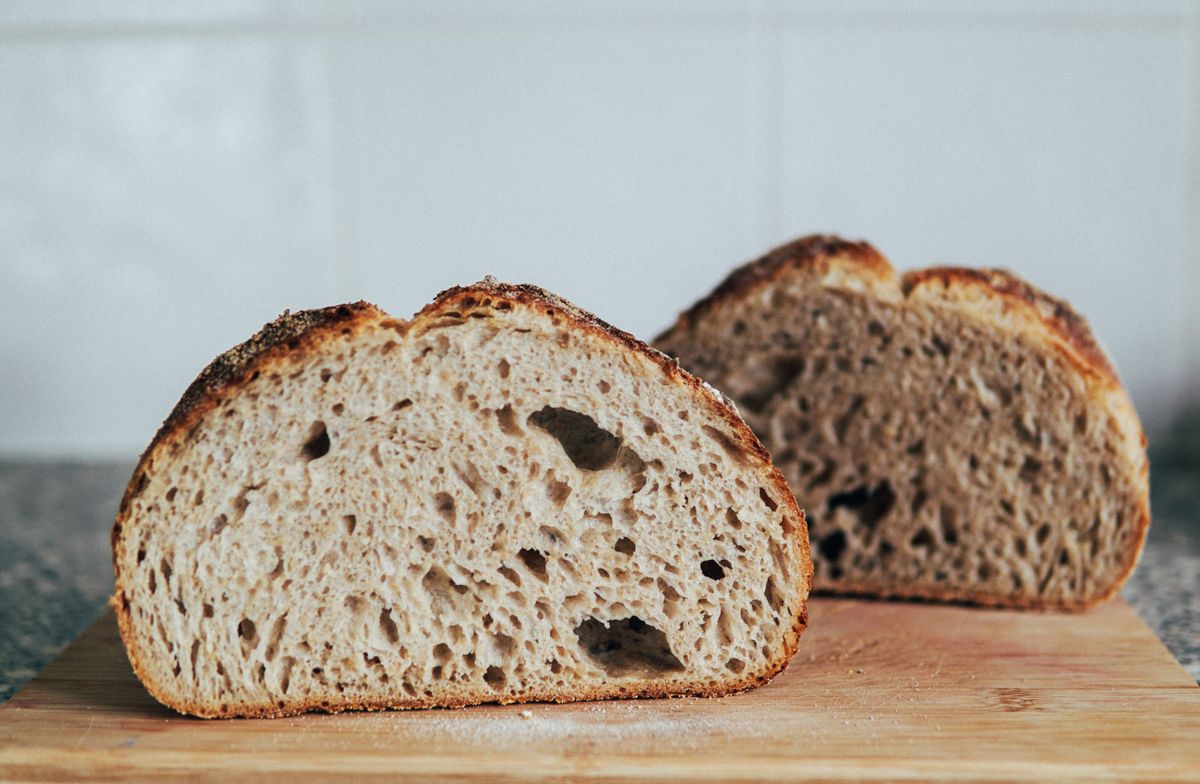
Two crusty loaves cut open on a wooden board, showing an open crumb and a dark crust
  • Starter costs $0
  • About $1 a loaf
  • Three ingredients
  • No commercial yeast
  • $147 once, sixty days to change your mind

I will tell you upfront what happened, so you understand why this page exists.

My first loaf came out of the oven and I cut into it with real excitement because the kitchen had smelled like a bakery for an hour. The knife bounced. Dense. Wet in the middle. A crust you could crack a windshield with.

Second loaf: same. Third loaf, after reading everything on the internet about hydration percentages and the windowpane test and how long to proof in the fridge: somehow worse.

I went online. I read a hundred opinions from a hundred strangers. Your starter is too young. Your starter is too old. Get a banneton. Get a Dutch oven. Use bread flour. Use all-purpose. Somebody recommended a $45 thermometer to check the internal temperature of the dough. Somebody else said I should buy a sourdough culture shipped from Vermont in a little bag for $25.

Not one of them mentioned 1961.

That turned out to be the year they killed the bread.

Then I bought a grain mill for $380 because six people on YouTube said fresh-milled flour was the answer. I ran wheat berries through it, baked with the flour, and produced a fourth brick. It was a $380 brick, which I suppose was an improvement, although the loaf did not know that.

I will come back to the mill. It is worth the money. Eventually. For most people, not yet. For almost everyone, not first.

First, 1961.

July 1961

Three men in a government lab published a way to make bread without waiting.

Three hours of fermentation replaced with three minutes of a machine.

That is what happened to your bread. The living culture that worked on the grain overnight, the bacteria and wild yeast that had been doing this for fourteen thousand years, all of it replaced by a high-speed mixer and a chemical improver. Five additives went in. The hours came out.

It crossed the Atlantic before the decade was over. Walk into any American grocery store today. The bread aisle is Chorleywood's grandchildren: high-speed mixed, chemically risen, sliced, bagged, and stripped of everything the fermentation used to do. Nobody hid any of it. They published the method, presented it to the Royal Society, and were decorated for it.

If it were a conspiracy the architects could deny it. They cannot deny what they published under their own names.

Time was the ingredient they took out.

It is the one ingredient no label is required to declare.

Six European countries have written down what "sourdough" means. In Italy since 1967, bread is flour, water, yeast and salt. By law. Four ingredients.

The United States wrote down how much a loaf has to weigh.

That means the word on the bag in your store carries no legal definition. A loaf raised for three minutes and a loaf raised for twelve hours can wear the same label. The only difference is time, and time is invisible at the register.

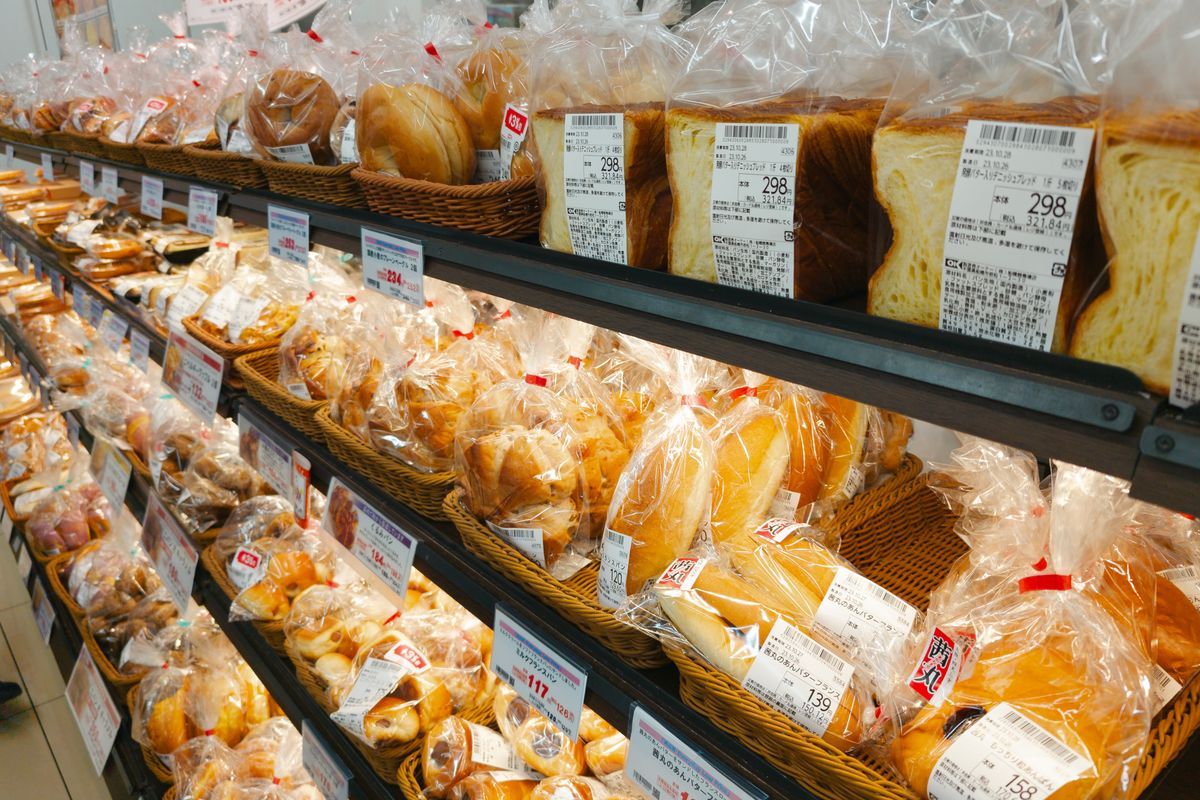
Rows of packaged sliced bread on a grocery store shelf
Every bag on this shelf. Same word, same wrapper, different number of hours.

I will teach you what the process was, who funded it, and what went in. On this page I am telling you two things: they took the time out, and time was the ingredient the grain needed.

The bag

Then look at what came out of the flour itself.

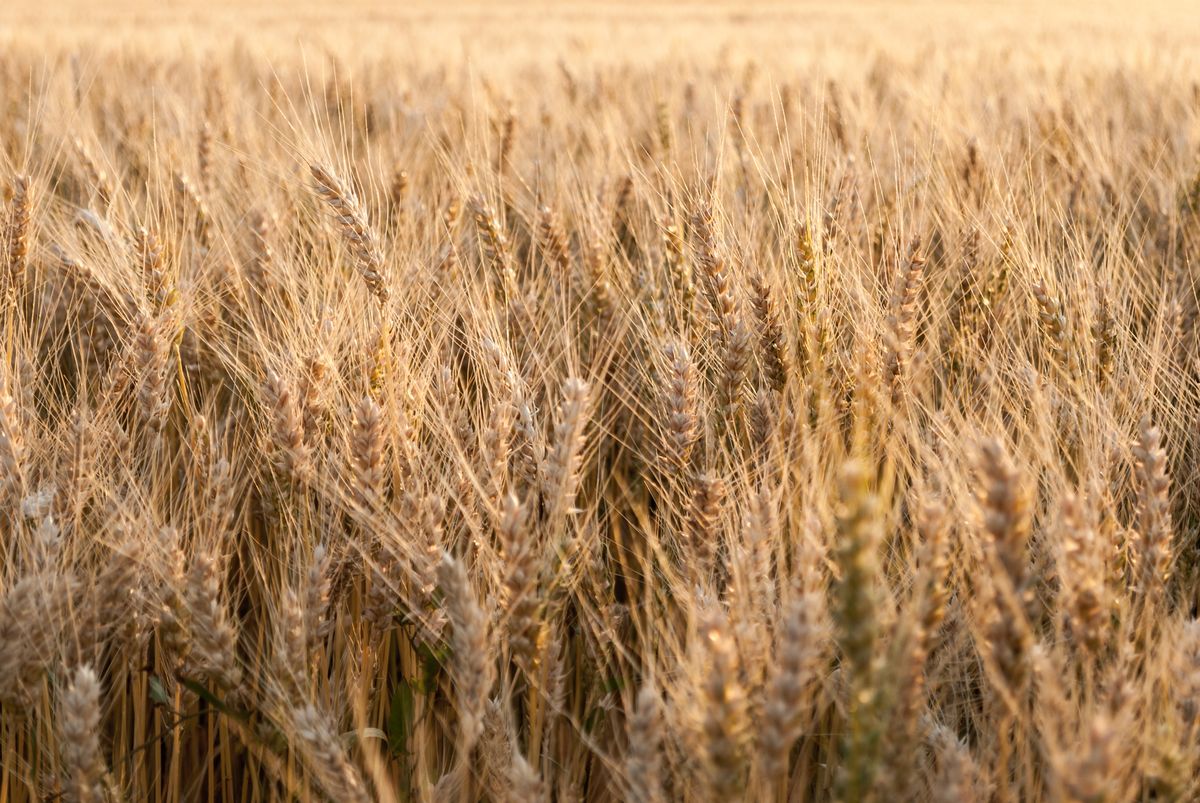
Close-up of golden wheat ears in a sunlit field
Fourteen thousand years of this. The yeast packet showed up yesterday.

A quarter of the wheat kernel is removed before the flour reaches you. That quarter held the minerals, the oils, the vitamins. They took it out so the bag could sit in a warehouse without going rancid. Shelf life over nutrition. Same trade the snack aisle made with the jar.

Then they put four things back in and printed "enriched" on the front of the bag.

Four back in. Dozens taken out. The course shows you exactly what was removed and what "enriched" actually means.

So the hours came out of the bread and a quarter of the kernel came out of the flour. And everybody already knows the result. They just never connected it to the bread.

You have heard this story

People go to Italy and eat twice as much bread. They come home and nothing fits.

Everyone has a friend who came back from two weeks in Rome saying the same thing. Pasta every night. Bread at every meal. Felt better than they had in years. Then they came home, ate the same foods from the same grocery store, and it was like somebody flipped a switch.

Nobody told them why. So they blamed the carbs. Went low-carb, went keto, went gluten-free. Spent years fighting a food group that half the world eats without thinking about it.

It was never the bread. It was what we did to the bread.

Italian flour is milled from the whole grain. The fermentation runs overnight. The bakery down the street makes it that morning. Three ingredients, no additives, and the culture does the work that the factory here replaced with five chemicals and three minutes.

You do not have to go to Italy. You have to stop buying their flour and start milling your own.

That is what the mill section of this course is for. You buy the grain whole. You mill it yourself. Nothing was removed, nothing needs to be enriched, and the fermentation has something real to work on. Three ingredients. About a dollar a loaf.

Composition, not outcomes

One thing, and somebody measured it.

Whole grain carries a compound called phytate that locks minerals behind a wall. Iron, zinc, magnesium. They are in the flour. Your body cannot reach them.

A sourdough ferment breaks down 62% of that lock. Baker's yeast breaks down 38%. Same flour. Same lab. The difference is time.

Your sourdough sits for twelve to eighteen hours. A yeasted dough sits for two. The grocery store loaf that went through the three-minute process? It sat long enough for the machine to stop.

Time is the ingredient they took out. It is also the ingredient that does the work.

The course gives you the full breakdown, including the inconvenient half, because there is an inconvenient half and I would rather you heard it from me.

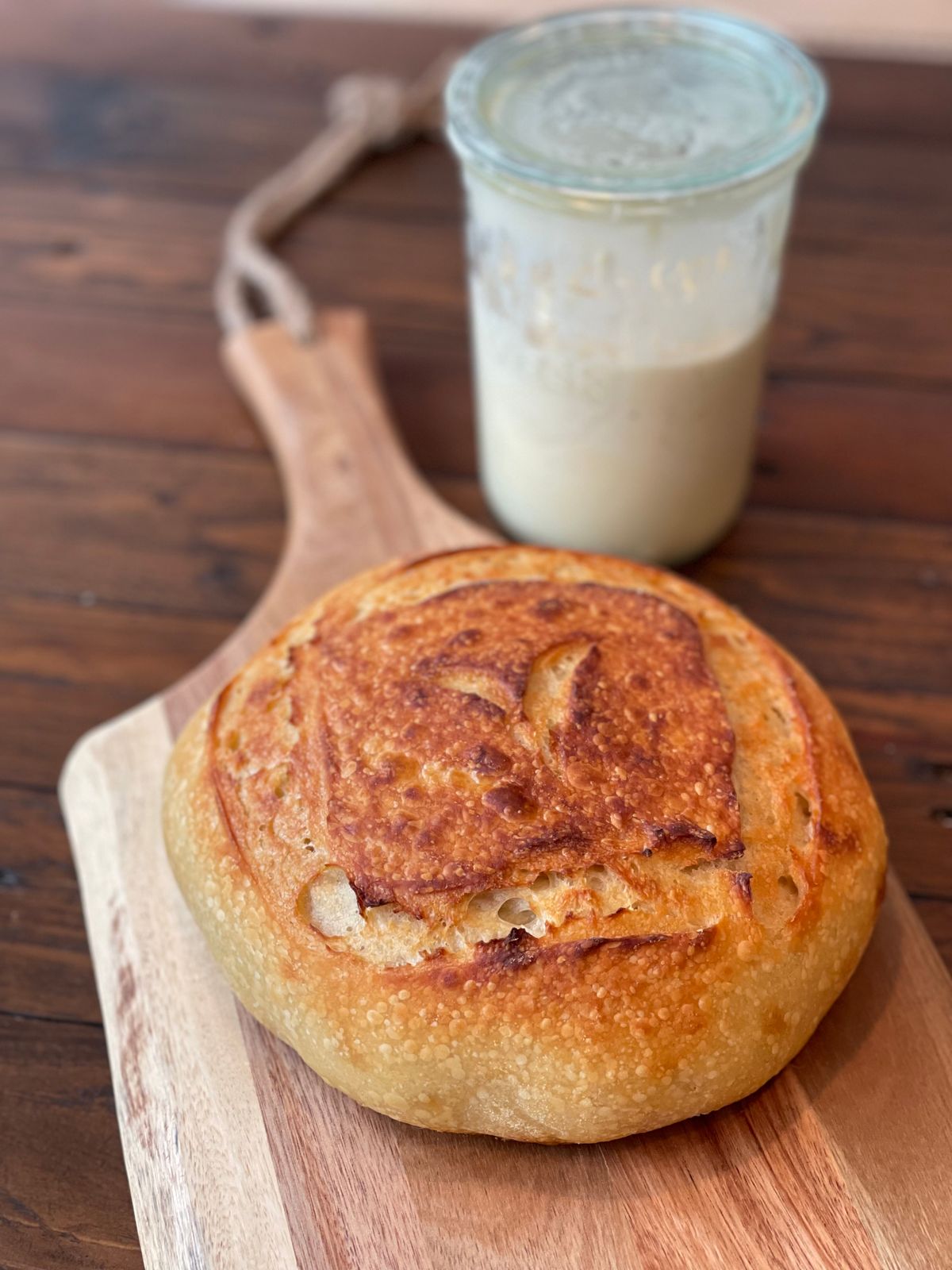
A round sourdough loaf on a wooden board beside a tall glass jar of starter
This is the whole engine. Flour and water, and it costs nothing.
The hundred-year lie

Stop buying starters.

Etsy has thousands of listings. Five to forty dollars. The selling point is always age. The older the better.

NC State put forty of them under a sequencer. Every one followed the same predictable succession. By day ten, functionally mature. By day fourteen, a stable community dominated by the bacteria in your flour, your water, your kitchen.

A second study ran 500 starters from four continents. Geography explained zero percent of the bacterial and yeast variation in the United States. Zero.

That "100-year-old culture" from Vermont becomes your culture within two weeks. You paid for a label, not a biology.

Everyone thinks you need a fancy starter to make sourdough. You do not. I do not sell starters. I teach you to build your own from scratch for the price of two spoonfuls of flour. Fourteen days on your counter and you have a living culture that will last as long as you feed it. That is the whole price of admission to sourdough.

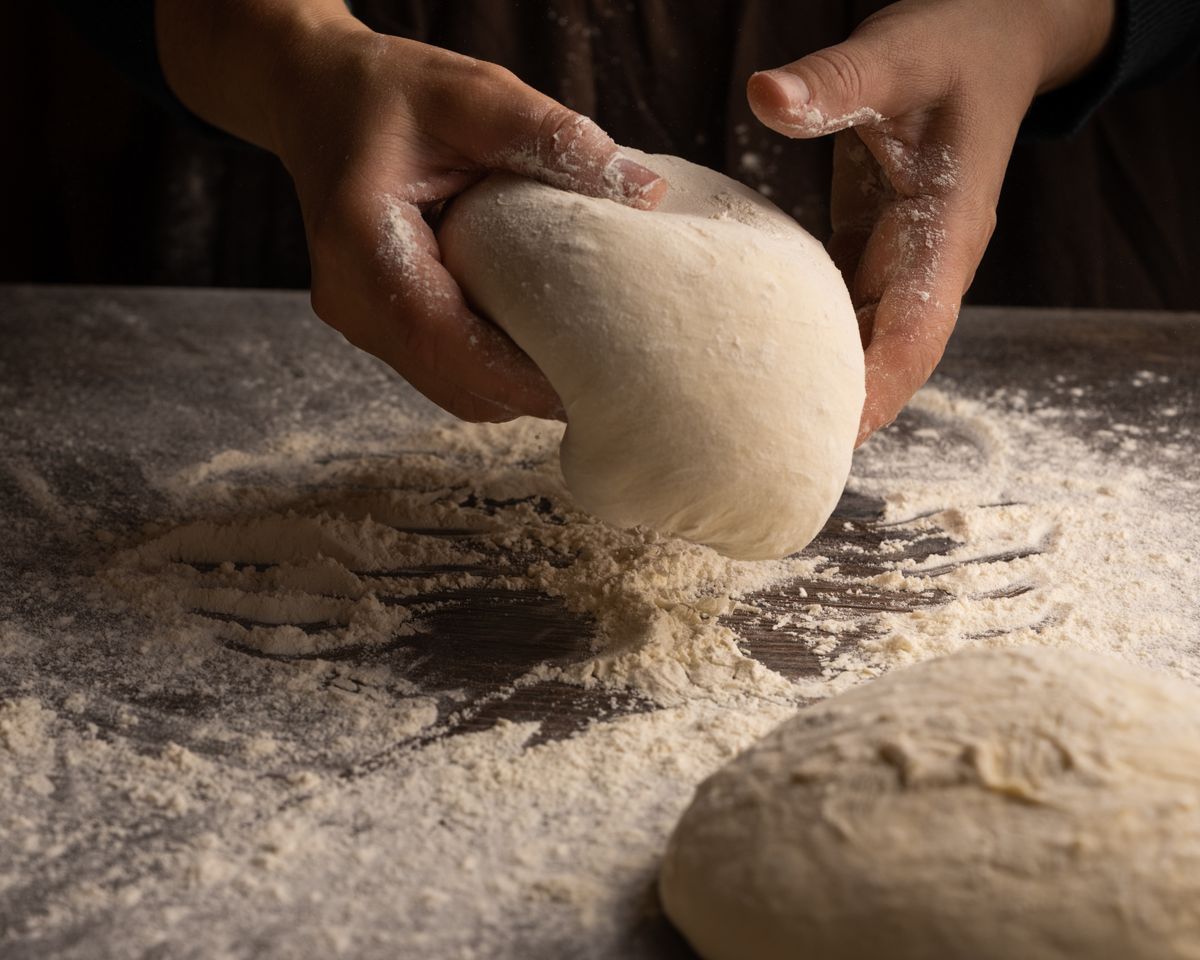
Hands pressing into bread dough on a floured surface
Your flour, your water, your hands. Nobody else's culture gives you this.

Two things I will say before anyone else does.

Baked sourdough is not probiotic. The crumb hits about 93°C and the culture dies. I told you the weak part first. That is how this works.

If you have celiac disease, read this.

Home sourdough is not safe for you to eat. In one trial, people eating bread with partly broken-down gluten had no symptoms and still developed intestinal damage. Feeling fine proved nothing. You are welcome here. Learn it, make it for people you love, share it. Just do not eat it yourself. I would not be able to live with not telling you.

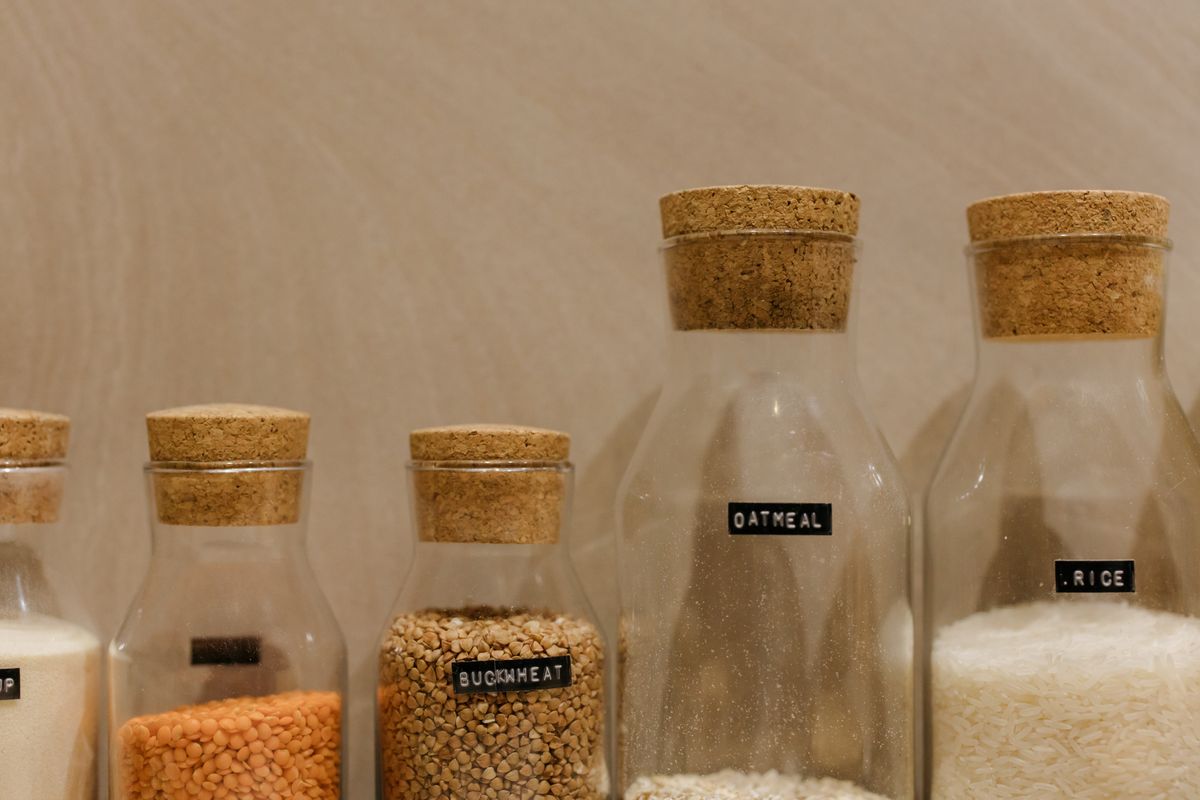
Cork-stoppered glass jars of grains and flour with small chalk labels

I'll tell you exactly what went into the loaf and exactly what the fermentation did to it. What it does for you is between you and your body.

the same promise we make on the brine side
The part nobody mentions

Nobody bakes a second loaf because it is healthy

They bake it because the kitchen smelled like that and the first slice went down before it had cooled.

Yesterday it was flour and water. Nobody added flavor to it. Bacteria and wild yeast built all of it overnight, out of a jar of paste on your counter, while you slept.

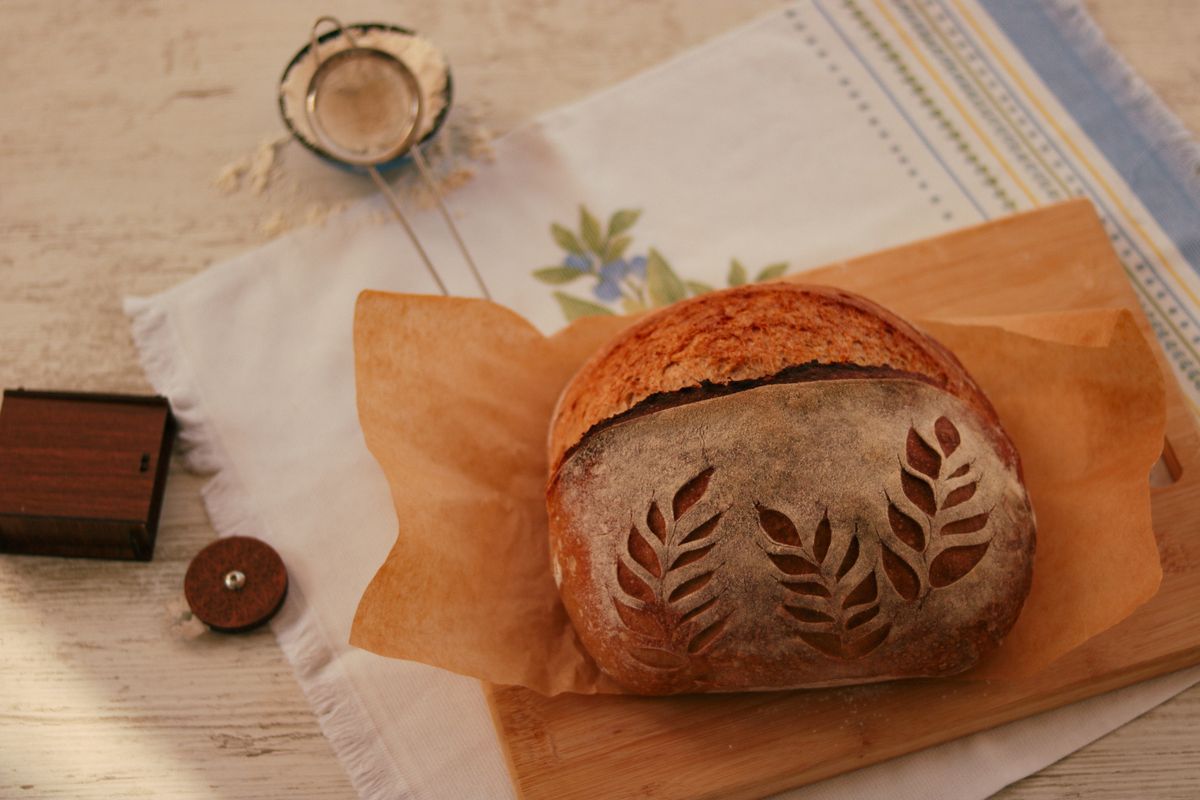
A round sourdough loaf with decorative leaf scoring on a wooden board
That scoring is the last thing you do before it goes in. The oven does the rest.

Crust you can hear across the room

Properly fermented dough plus steam in the oven gives you a crust that cracks and ticks as it cools. That sound is why bakers stand there listening to bread. It is not available in plastic packaging.

Sour that is earned, not added

A long ferment builds lactic and acetic acid in the dough. Run it cool and it leans sharp. Keep it warm and it goes round and mellow. You choose, once you know which lever does what.

Red wheat, white wheat

Red bran carries tannins, which is why red wheat tastes stronger and hard white is friendlier for anyone who thinks they dislike whole wheat. On white flour the difference vanishes, because the bran is already gone.

Discard is a free ingredient

Every feed, you pour some starter off. Most people bin it, which is the bread version of tipping brine down the sink. Crackers, pancakes, waffles, pizza dough. Costs you nothing.

The expensive question

Should you buy a grain mill?

Eventually, maybe. Not yet. Everyone answering this question online earns a commission on the answer, so here is what the measurements say instead.

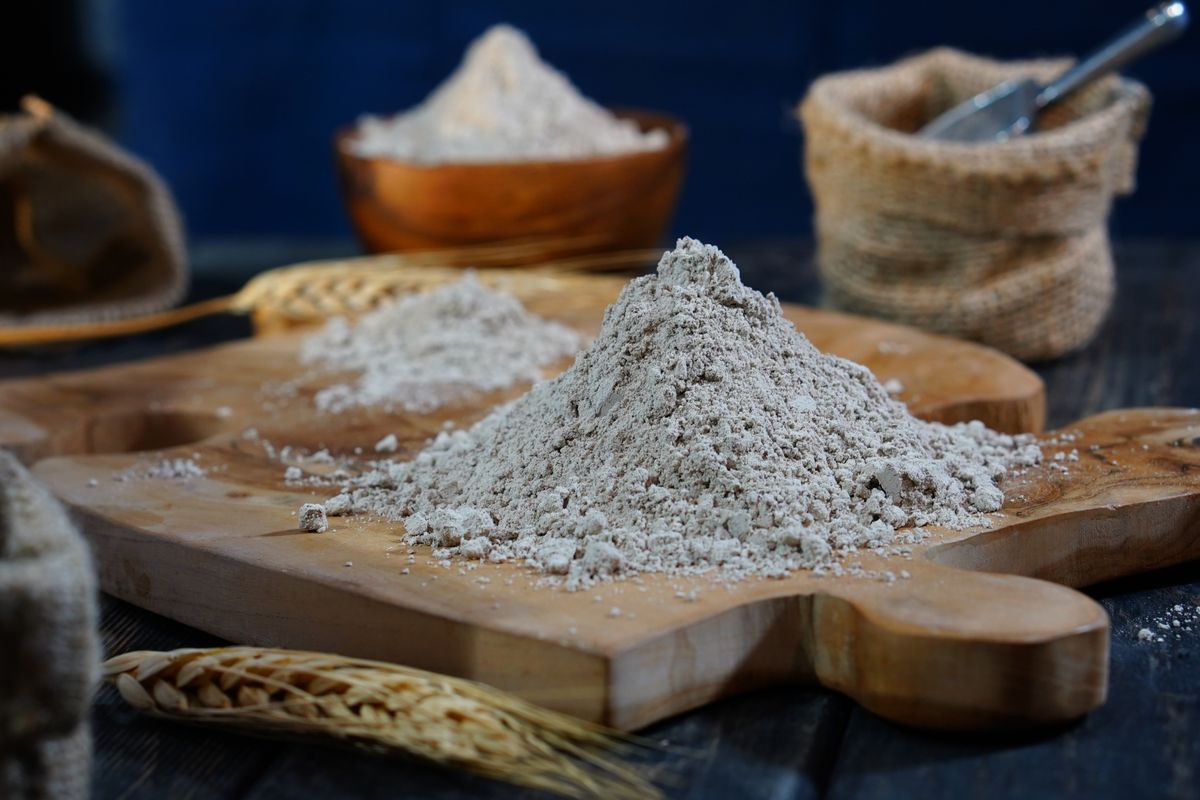
A mound of coarse wholemeal flour on a wooden board with wheat stalks and a grain sack beside it
A good mill is a genuinely nice thing to own. It is not a beginner purchase.

The 40% claim is not real

"Flour loses 40% of its vitamins within 24 hours" is the statistic the home-milling industry runs on, and there is nothing peer-reviewed behind it. I went looking for the study. There is no study. The real numbers still make a decent case, but repeating the fake one would make every other number I give you suspect.

The heat argument is wrong both ways

Stone mill sellers say their machines run cool. A bench test found them running hotter than an impact mill. Then Cereal Chemistry tested seven home mills and found temperature predicting nothing about the loaf. Particle size did. I will not pick a side in a fight where both sides are wrong.

The real floor is about $330

The sub-$200 machines look like the obvious answer. Their own review pages document motors failing inside one to five months. Fine for cracking corn. The course teaches you when to spend $330 and when to keep using the flour in your cupboard.

Break-even is hundreds of loaves

A $380 mill pays for itself somewhere between 485 and 1,112 loaves. Worth it if you bake weekly for years. Cupboard ornament if you bake twice and lose interest. Bake ten loaves before you ask the question.

The full mill guide, free

Measured comparisons across every category, real prices, and the ones I tell you not to buy. Including the case for spending nothing.

Send me the mill guide
The gateway

And then something happens that I did not plan for.

You bake your fifth loaf and it comes out right. Open crumb, dark crust, and the kitchen smells like it did when you were a kid and somebody was baking. You start thinking: what else was sold to me finished when I could have made it myself?

Brine led to bread for me. Bread may lead somewhere else for you. The common thread is the same: once you know what is in the thing you made, you stop guessing about the thing you bought.

Some people take it further. Angela Henson is twenty-one, lives in Frisco, Texas, and bakes eighty-five loaves of sourdough every Saturday on her front porch under the state's cottage food law. People line up before sunrise. No permit, no commercial kitchen, no inspection.

I am not promising you a line around the block. I am telling you the law already said yes, in most states, to selling bread you made at home. The course teaches you how to check your own state's rules and what the label needs to say. That is a bonus session, not the point. But I would rather you knew it existed than found out two years in.

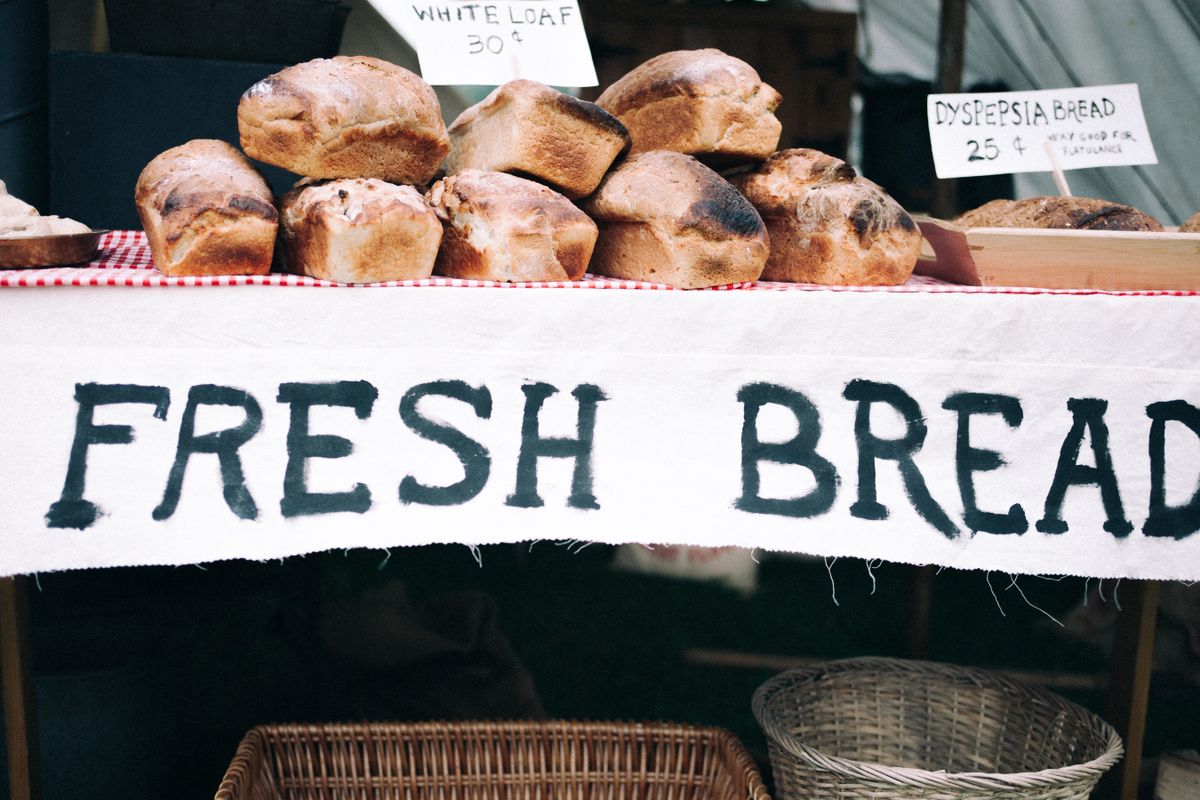
Loaves of fresh bread on display at a market stall with hand-painted signs
Eighty-five loaves on a porch in Texas. No permit, no commercial kitchen.

Want the day-by-day starter schedule so you are not squinting at a web page with flour on your hands?

Free. The mill guide comes with it. Unsubscribe anytime.

Said out loud before you think it

Five things stopping you, and I have heard all five

"I'll kill the starter."

Probably, at some point, and it barely matters. A starter is flour and water. If it dies you start again for the price of two spoonfuls. It is also tougher than people say. A neglected jar in the fridge usually comes back after two or three feeds.

"I need a mill, a mixer and a Dutch oven."

You need a bowl and an oven. A Dutch oven helps and can be borrowed. The honest kit is about $34, the same number as the brine side. The mill is the last thing you buy, and often the thing you never buy.

"It takes all day."

About twenty minutes of hands-on work spread across a day you are already living. Mix. Walk away. Fold it twice. Walk away. Shape it. Sleep. Bake. The waiting is not work. The dough does the waiting.

"My first loaf will be a brick."

It might. Mine was. Most first loaves are dense, and there are five reasons why: underproofed, overproofed, weak starter, too wet, no steam. Once you can name which one you are looking at, it stops being mysterious and becomes a short list.

"I can learn this from YouTube."

You can. I did. Got four bricks, a dead starter, and a $380 mill recommendation from someone who earns a commission on mills. This course hands you the right sequence on day one and gets you to a finished loaf by the end of week two. The difference is not the information. It is the order and the confidence.

That is all five. If none of them are yours, the only thing between you and a starter on your counter tonight is this button.

Get the course, $147
The offer

The First Loaf System

Sourdough for people who have never done it, taught by someone who will tell you when the expensive option is not worth it. Video, not PDFs. About two and a half hours. You build a starter, bake a loaf you can repeat, and learn the five failure modes by name.

  • What is actually in the bag. What refining takes out, what enrichment puts back, and what nobody mentions on the front of the label. The table, sourced.
  • Build and keep a starter, from zero. Feed it, read it, know when it is ready. Your flour, your water, fourteen days. Stop buying starters from strangers.
  • Your first reliable loaf. A rhythm that survives a work week. Not a weekend event. A Tuesday.
  • When it goes wrong. Dense, gummy, flat, underproofed, overproofed. The five failure modes by name, what each one looks like, and the one thing to change next time.
  • What fermentation does to the grain, and where the evidence stops. Phytate, time, and the claims I will not make. Including why baked bread is not probiotic and why that does not change anything about baking it.
  • Milling, honestly. When a grain mill is worth $380, when it is a cupboard ornament, and the full case for never buying one. Including the fake statistic everyone else repeats.
Included bonus

If you ever want to sell your loaves: what it actually takes

Cottage food law, labelling, platforms, and what your state actually requires. Texas names it in the statute. Ohio bans it outright. I walk you through finding your own state's answer. No income promises, and no pretending it is easier or harder than it is.

$147 once

One payment. Lifetime access. Not a subscription.

Get the course, $147

Instant access. Nothing ships. Sixty days to change your mind.

Both doors, one price

If you want the full picture, salt to flour to counter to fridge, The Society Pass bundles both courses at $247 instead of $294 separate. Same skills, same kitchen, two doors in. See the brine course →

The guarantee, said plainly

Bake one loaf using the method from the course. If it does not work, email me and tell me what happened. I will refund you in full, and then I will help you figure out what went sideways anyway, because a flat loaf is almost always one of five things and I would rather you ended up with bread than with your money back.

Sixty days. No form, no hoops, and you keep the free guides either way.

The question you are already asking

There is a sourdough course for $49. Why is mine triple?

Fair question, and I would rather answer it than hope you do not ask it.

Most of what is for sale in this category is a recipe and a starter schedule. Nothing wrong with that. If a recipe is what you want, go buy the cheaper one with my blessing.

A recipe does not teach you what happened to the bread in 1961 and why your loaf comes out the way it does. A recipe does not tell you that the most famous statistic in home milling is made up, or that both sides of the stone-versus-impact argument are wrong, or that baked sourdough is not probiotic. A recipe does not coach you through the Wednesday night when the dough looks wrong and you are about to dump it.

This course does. Every failure mode I have seen. What the fermentation does to the grain and where the evidence stops. The honest case for never buying a mill, which is a strange thing to include in a course that teaches milling, and which is exactly why you should trust the rest of what I say about it.

Recipe courses teach you what to make. This one teaches you what is happening inside the dough, and why. You will not need another course after this one.

If that already worked for you, do not read the rest of this page.

Get the course, $147
Straight talk

Don't buy this if

  • You want a health cure. I do not sell one. Read the honesty line above one more time and take it literally.
  • You want a hundred recipes. This is six sessions, one method, and the five failure modes by name. If breadth is what you want, buy a book by Chad Robertson. I own two and I recommend both.
  • You want it to be complicated. Some people enjoy the equipment more than the food, and that is a real hobby, honestly pursued. It is not this one.
  • You will not bake the first loaf. The mill guide and starter schedule are free. Take those, keep your money, and come back when you have flour on your hands.
Two versions of eight weeks from now

Both of them are real. You have lived the first one.

You close this page

Nothing bad happens. The store loaf keeps arriving. Eight weeks from now you know exactly as much about bread as you do right now. Which is what happened the last two times you thought about it.

You build a starter this week

Ten days of feeding it. One loaf at the end of week two. It might be dense. That is fine. You bake a second one. By the fourth loaf you have the rhythm, and the kitchen smells like that every Sunday, and the six-dollar bag at the store stops making sense.

You don't have to get it right. You have to get it moving.

Here is exactly what happens next, including the obvious parts.

Click the button. It opens Gumroad, which is where the course lives. The price says $147 and there is no other price. Enter your email and your card. You get access on the same screen, not in twenty-four hours.

Inside, go to session one first. Do not browse. Session one is fifteen minutes and it ends with you mixing a starter tonight. Flour. Water. A jar. That is the whole beginning.

Before you start, put three things on the counter. A pint jar. A bag of flour. A kitchen scale that reads grams, about $12 if you do not own one.

Two weeks from tonight you are going to pull a loaf out of the oven and hear the crust ticking as it cools. That sound is a dollar a loaf and fourteen days of patience.

You came to this page as somebody who buys the bag. Somebody who reads the word "sourdough" on the label and takes the manufacturer's word for it because what else is there to do.

You leave as the person in your house who bakes the bread.

That one knows what the fermentation did to the grain and what it did not do. That one can read a flour label the way most people read a gas gauge. And in about two generations, when somebody in your family wants to know how to do this, there is going to be a person to ask.

That is you. That is the whole thing I am selling.

Flour, water, salt. A starter you build for nothing. A dollar a loaf, and the minerals go back in because you never took them out.

Get the course, $147

One payment. Lifetime access. Sixty days to change your mind, and I will help you fix the loaf either way.

Kevin and Teresa on the ranch road at golden hour

Kevin

The Bread & Brine Society

Toledo steelworker's kid. Combat veteran. I spent over twenty years as the strategist behind celebrities, pro athletes, politicians, business owners. I coach capital gains deferrals. I am not hurting for work. This is not that.

A genetic scientist with nearly $200 million in his own research sat me down years ago and wrecked my whole understanding of food. Beta-glucans pasteurized completely out of the diet. Glycation from ingredients the body was never built to process. A food pyramid built on guidance the meat industry lobbied to water down in 1977, and it stood for 49 years before somebody flipped it upside down this January. He looked at me and said: if that can change, what else should you be looking at?

I have not stopped looking. I turn boxes around now. Every one of them. The nutritional value is depleted but the habit is still there. Breakfast, lunch, dinner. We are overeating dead food and paying more for it every year. I turned the flour bag around and it was not what I thought it was. They stripped a quarter of the wheat kernel so it could survive a warehouse and never put it on the label. Then I found out they killed the fermentation in 1961. Three hours of biology replaced with three minutes of a machine. That pissed me off. Three ingredients, a dollar a loaf, and the minerals go back in because you never took them out.

Teresa and I make everything ourselves now. It changed things we did not expect it to change. I will tell you exactly what went into the loaf and exactly what the fermentation did to it. What it does for you is between you and your body. But I will say this: we did not expect it, and we are not going back.

P.S. The mill guide on this page is free, and it will probably talk you out of buying a mill. I would rather lose a commission than sell you a $380 cupboard ornament. That is the kind of person I am on the other side of this course.

P.P.S. Baked bread is not probiotic. The crumb hits about 93°C and the culture dies. I said it on this page and I will say it again in the first five minutes of the course, because nobody else in this category leads with the weak part. I do.

P.P.P.S. If you are not buying today, get on the list. The starter schedule, the mill guide, and a straight answer on every claim the home-milling industry makes. No purchase attached.

Quick answers

Questions I get before people buy

What exactly do I get, and when?

Six filmed sessions, about two and a half hours total, plus the starter schedule and the troubleshooting reference. Access lands on the screen the second you pay. Nothing ships and there is nothing to wait for.

Do I need special equipment?

A pint jar, a bag of flour, and a kitchen scale that reads grams. About $34 for the honest kit. A Dutch oven helps and can be borrowed. No mixer ever. The mill is the last thing you buy, if you buy one at all.

How fast do I actually bake something?

The starter takes about ten days to mature. Your first loaf is end of week two. Dense first attempts are normal. The course teaches you the five reasons why and which one you are looking at.

Do I need a grain mill?

Not for a long time, and maybe never. The course includes a full session on milling, including the case for not buying one. The mill guide on this page is free and it will probably talk you out of spending the money.

Is there an upsell after I pay?

No. One price, one course, one payment. The page you land on after checkout is the course.

What if it does not work for me?

Email me within sixty days and I refund you in full, no form and no questions. Then I will still help you figure out the loaf, because a flat loaf is almost always one of five things and I would rather you ended up baking.

I have never baked sourdough. Is this too advanced?

It is built for you. Session one is fifteen minutes and it ends with flour, water and a jar. If you can stir, you are qualified.

Is sourdough safe for people with celiac disease?

No. Not mine. Not anyone's. If you have celiac disease, this course is not for you, and I would rather tell you that here than take your money.

Three things you can judge me on before you spend a dollar

The mill guide

Free, and it will probably talk you out of buying a mill. I would rather lose the commission than sell you a $380 cupboard ornament.

The claims I will not make

Baked sourdough is not probiotic and it is not safe for celiac disease. Both are printed on this page, where they cost me sales.

The number I checked

Every home-milling brand says flour loses 40% of its vitamins in 24 hours. I went looking for the study. There is no study. I use the real numbers instead.

The mill guide and the starter schedule. Both free.

Measured mill comparisons with real prices. The day-by-day starter schedule. The first-loaf walkthrough.

Fair warning: the mill guide will probably talk you out of buying a mill. That is on purpose.

No spam, nothing to pay. Unsubscribe anytime.

P.S. The free stuff proves I did the homework. The course is for when you are ready to stop guessing which failure mode you are looking at. Same build as the brine course: watch one session, bake that week. See what is inside.

One more thing

The loaf is the doorway, not the whole house

The Bread Society is one half of something bigger. There is a brine side, a growing library of courses, and a room full of people putting food up the old way because it turns out that was never a bad idea.