
Post the jar. Get an answer.
Cloudy brine, soft spear, white film that might be kahm yeast. Photo in, diagnosis out, from someone who has had that batch. Not judgment. An answer. The same day.
You do not join a community to learn something new. You join because you already started, something went sideways, and you want to be around people who know exactly what that jar is supposed to look like.
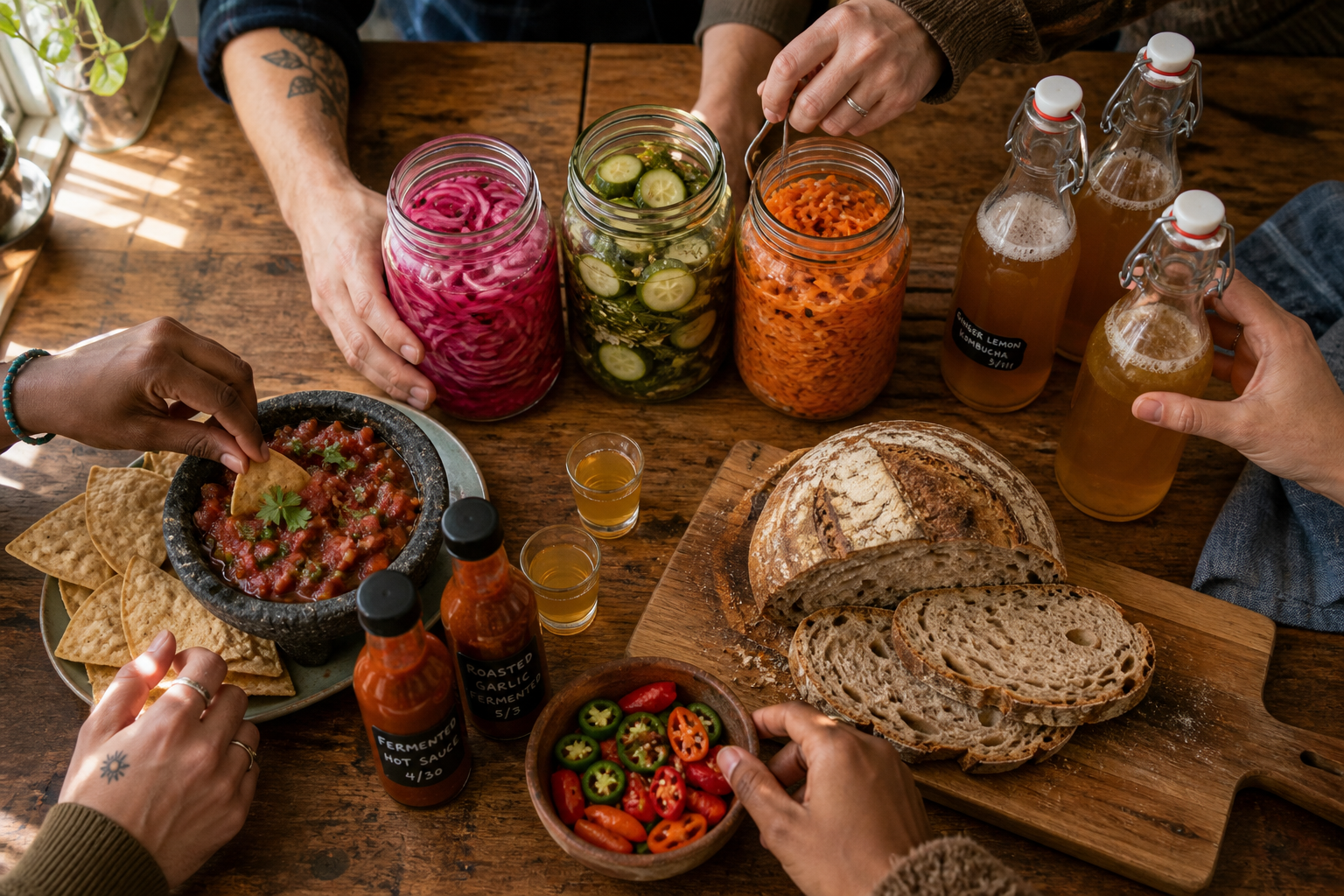
Go open the fridge and look at the jar you packed last week.
Something is happening in there. The brine went cloudy. There is a white film on top. It smells different than you expected. You are not sure if any of that is normal.
So you go online. Forty opinions. Some say it is fine. Some say throw it out. Somebody brings up the moon.
And you are standing in your kitchen with a jar in your hand, doing exactly what people have been doing for about ten minutes in every fermentation forum, which is leaving.
That is when most people quit. Not because the jar failed. Because they were alone when it did.
I know because I was one of them. My third batch of sauerkraut turned to mush and I had nobody to ask. Forty strangers on Reddit told me forty different things. I threw the jar away and did not make another one for two months.
Nobody who sticks with this sticks with it solo. They all had the same thing. One person who has seen that jar before, who can look at it and say one sentence that either fixes it or tells you to dump it. A grandmother. A neighbor. Somebody at the farmers market who took pity.
Two generations ago, you had that person. The skill came with the teacher attached. When the skill left most households, the teacher left with it, and a beginner got handed a search bar instead.
So I am building the room.
Not for the first jar, when everything is exciting and new. For jar four, when something looks wrong and you need one human who has had that batch before.
People hear the name and joke that it sounds like a secret society.
I get it. The feeling is real, because the information honestly is not out there. But nothing here is being kept from you by anybody. It got forgotten, and then it got sold back to you as a subscription. No cabal required.
So a society in the plain sense of the word. A room where somebody shows you, the way somebody would have shown you two generations ago. You get in by packing a jar, not by knowing the right person.
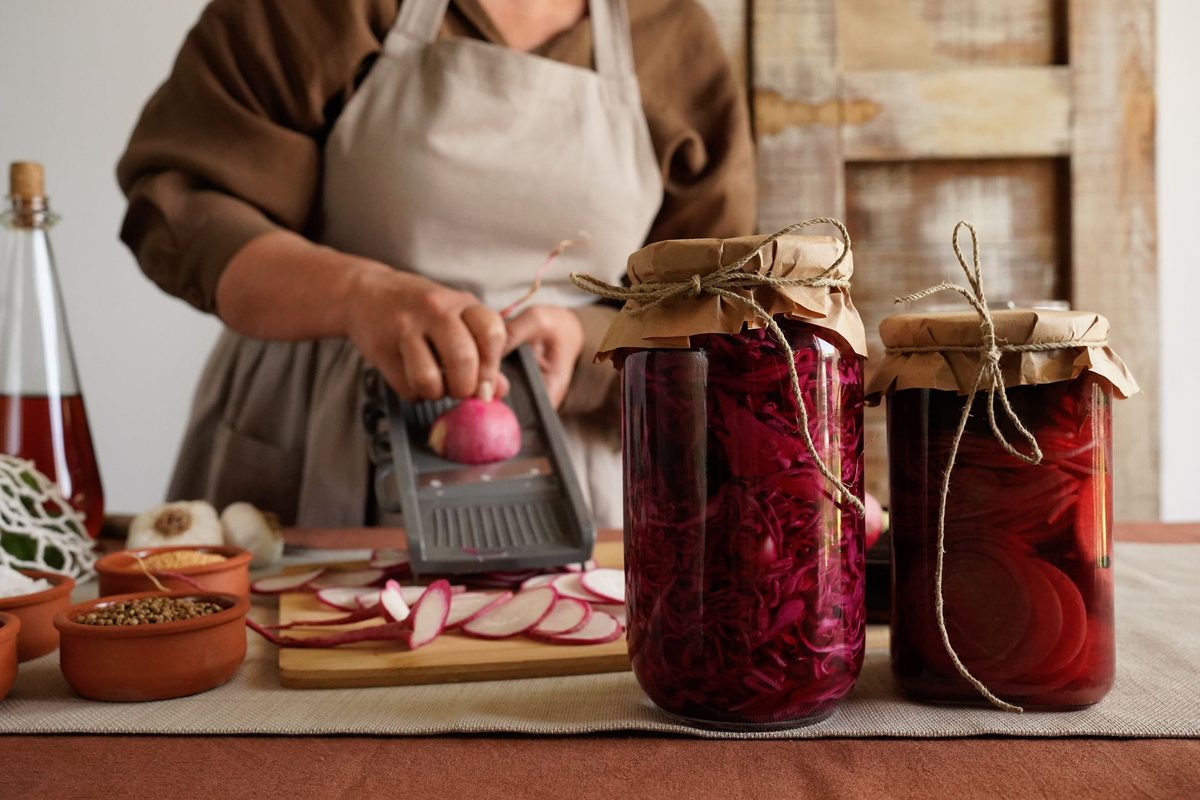
The insignia is real, and it is meant to be quiet. An apron a stranger would not understand. A jar label that only members recognize. Not merch you buy off a shelf. Insignia you earn. If you have ever earned a rank, you already know the difference.
The room is the product. The insignia is what proves you belong in it.
Not a Facebook group. Not a Discord server where your question disappears in six minutes. A dedicated room built for people putting food up the old way.
Cloudy brine, soft spear, white film that might be kahm yeast. Photo in, diagnosis out, from someone who has had that batch. Not judgment. An answer. The same day.
Someone packing their first pint and someone with fifty jars in a cellar, reading the same post. The second person is where the first person is headed. That pairing is the whole design.
Every jar you pack gets a line. What went in, the date, your salinity number, the temperature. When you open it, you log the result. Most beginners make something great and cannot repeat it. The journal fixes that.
Members share the things nobody puts in a recipe. The turmeric goes in the jar, not on top. Three cloves, not two, above 72 degrees. A strip of lemon peel in the red onion. This is where the real knowledge lives.
Every failure mode on video. Cloudy brine, soft pickles, white film, off smells. I have had that batch before, and I filmed what to do about it.
Starter jar beside the ferment jar. Discard crackers with pickled onions. The lifestyle is both, even if you walked in through one door.
Here is what the feed actually looks like.
Somebody posted red onions that came out neon. Somebody else posted cucumbers that went soft and they are not embarrassed about it, because the first reply is from a member who had the same batch and can explain exactly what happened.
There is a woman in Texas with fifty jars in her cellar and she posts her inventory like it is a trophy case. It is.
There is a guy in Ohio who packed his first pint of kraut last Tuesday and is not sure if the bubbles mean it is working. Four people told him yes, that is exactly what they mean.
There is a retired teacher who taught her grandkids to pack cucumbers and posted the photo. Three generations at one counter. She earned a badge for it and she is prouder of that than she should probably admit.
There is a line cook who ferments hot peppers in the walk-in on his days off. His chili brine pour is the best thing anyone has tasted in the room, and he posts the recipe for free, because he likes that people ask for it.
These are the people in the room. You already know them. You are one of them.
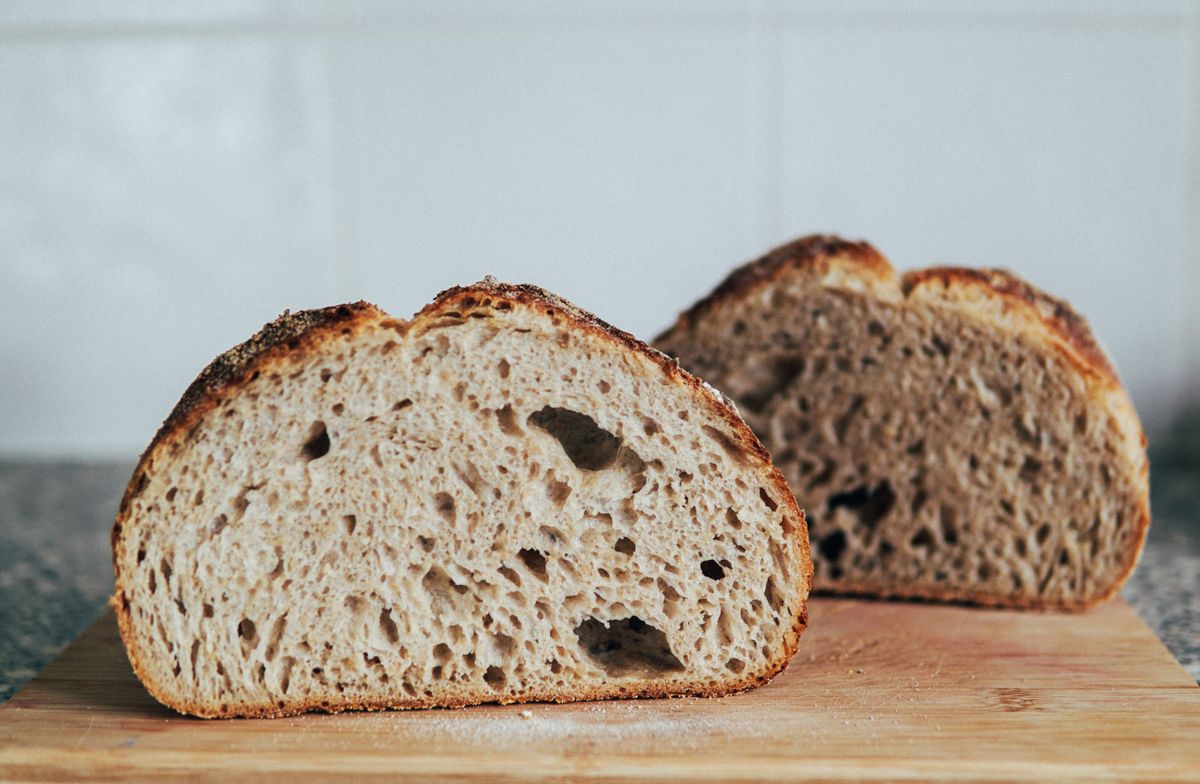
Every badge in here is earned for something you did. Not something that happened to your body. Not a number on a scale. A verb. Because verbs are verifiable and outcomes are not.
Packed your first pint. Photographed it. Posted it. Somebody in the room said welcome, and meant it.
Fifty jars. Your counter never goes empty. People in your life know you as the person with the jars.
Posted a recipe that is yours alone. Your spice combination, your timing, your garnish. Nobody else's name on it.
Diagnosed another member's soft jar correctly. Told them why, told them what to do, and the next batch came out right. This is the badge that keeps the room alive.
Posted your salt's certificate of analysis. You know what is in the bag because you checked, not because the label told you.
Packing fifty jars makes you experienced. Diagnosing ten soft jars for other members makes you an expert. The ranks above the badges measure help given, not jars owned.
Nobody posts what the jar did for their body. The jar is food, not medicine. We badge the jar you packed, the person you taught, and the law you checked. The rule keeps the room honest.
Every jar you pack gets a line. Date, what went in, your true salinity number, the temperature, how many days. When you open it, you log the result. Most beginners make something perfect and can never repeat it, because they did not write it down. The journal fixes that.
Members post what they actually do after twenty batches. The turmeric goes in the jar, not on top. Three cloves of garlic, not two, above 72 degrees. A strip of lemon peel in the red onion jar that nobody puts in a recipe.
Monthly flavor challenges. Build three pours at different heat levels and post the rack. Whatever is cheap at the market that week, three ingredients maximum. The constraint is the whole point.
Cloudy brine, soft spear, white film, smell you cannot place. Every failure mode filmed, diagnosed, and answered.
New videos added as members run into new problems. The library grows because the community grows. Your jar went wrong the same way somebody else's did last month, and the answer is already recorded.
Answers on your schedule, not mine.
Monthly newsletter, digital. What I packed, what I read, what changed my mind. The lab reports I dug through so you do not have to. One honest page from the counter.
Books are being built. Print and digital. The full method, the full science, the full pantry plan. Members hear about them first, read early chapters first, and pay less.
The Report is not a sales letter. It is the inside of the kitchen, with the lights on, including the jars that did not work.
Members who want to sell at markets get the cottage food playbook for their state. We did the legal homework so you do not have to.
And for the people who decide it is worth it: there are members in the room who did it. Ask them. Not me. Them. They stood behind the table. They know what sells and what sits. They know what the health inspector asked and what the insurance cost.
Members who outgrow the hobby and want to build a business around it get access to Kevin's day-job expertise in business structure and tax strategy.
A badge called The Inspector exists for this. You checked your state's law. You posted what you found. Now everybody in the room from your state knows, because you did the work.
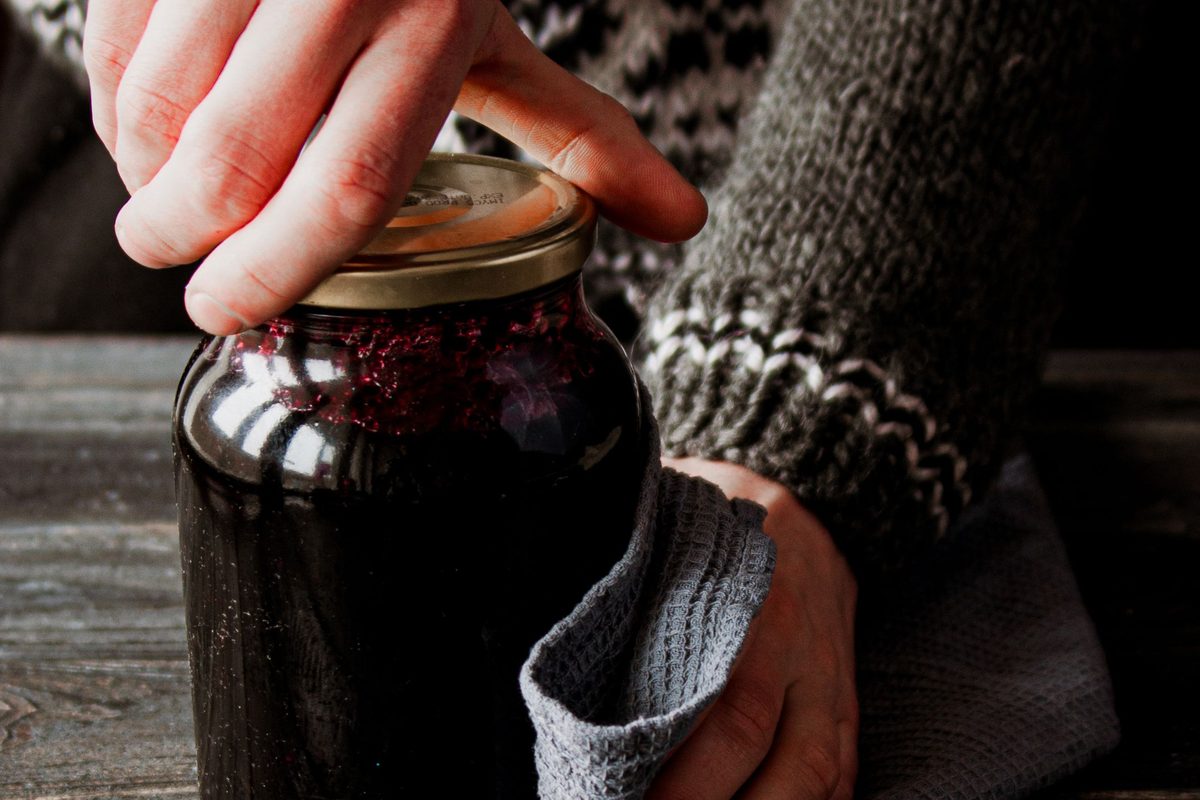
Start free. The calculator, the guides, and the list. Take the course when the jar interests you enough to learn the method properly. Join the community when you have jars on the counter and want to be around people who get it. The cohort is for graduates who want structured coaching and a private room.
This is the honest order. I would rather you climbed it than skipped to the top.
Get on the listThe community launches after the courses have graduates. Get on the list and you will be first to know.
One ladder. Two front doors. Same back end.
A community launched empty is a ghost town with a subscription fee. I would rather seed the room with people who already have jars on the counter and open it when the feed is worth reading on day one.
The community launches after the courses have graduates. People with jars on the counter, not subscribers who forgot. That matters, because a community is only as good as the people who show up on day one.
Here is what the room includes.
No payment. You hear about the launch before anyone else.
A community is only as good as the people who show up on day one. Launching a room before there is a conversation to walk into is the most common mistake in this category, and I have watched it happen to four competitors.
You are telling me you want in. First access and first word on the price are the thank-you for being here early.
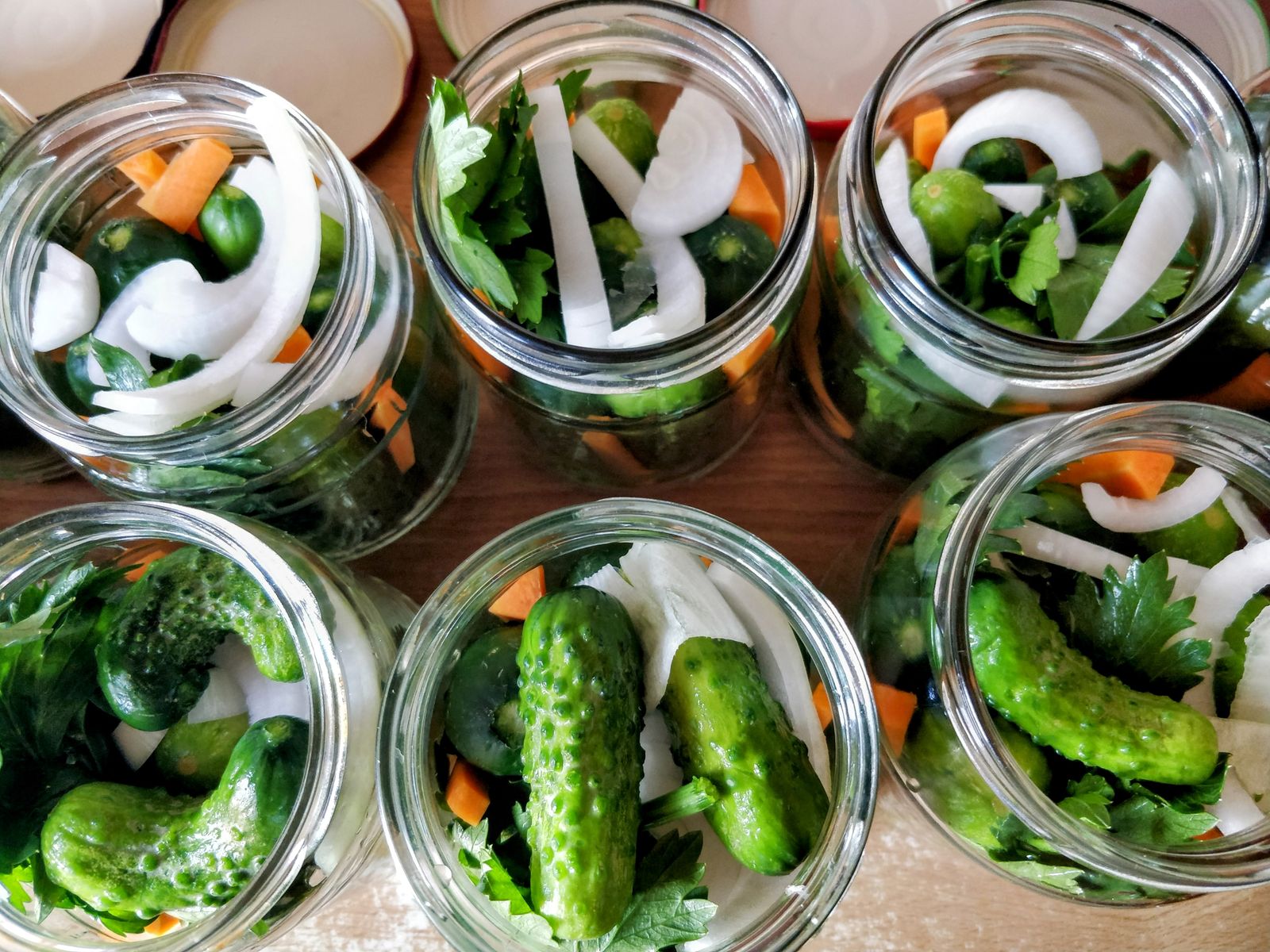

Kevin
The Bread & Brine Society
Toledo steelworker's kid. Combat veteran. I coach capital gains deferrals for celebrities, pro athletes, politicians, business owners. I am not hurting for work. This is not that.
A genetic scientist with nearly $200 million in his own research sat me down years ago and wrecked my whole understanding of food. Beta-glucans pasteurized completely out of the diet. Glycation from ingredients the body was never built to process. A food pyramid built on guidance the meat industry lobbied to water down in 1977, and it stood for 49 years before somebody flipped it upside down this January. He looked at me and said: if that can change, what else should you be looking at?
I have not stopped looking. I turn boxes around now. Every one of them. The nutritional value is depleted but the habit is still there. Breakfast, lunch, dinner. We are overeating dead food and paying more for it every year. I turned the salt bag around. Turned the flour bag around. Turned the kombucha bottle around. Turned the salsa jar around. None of them were what I thought they were. And then the jar went wrong and I was alone with it. That pissed me off enough to build the room.
Teresa and I make everything ourselves now. It changed things we did not expect it to change. This is us building the room we needed when we were learning. I will tell you exactly what is in the jar. What it does for you is between you and your body. But you will not be alone when the jar looks wrong. That is the whole point of the room.
Walk in through whichever skill pulled you here. Pack a jar or bake a loaf. The society is for after the first win, when something goes cloudy and you want a human who has seen that batch before.
One list for the whole project. Free tools now. Launch date and pricing before anyone else. And honest notes from whichever side of the counter I am working on.
No spam. Unsubscribe anytime.
P.S. If you have not packed a jar yet, start with the brine course, not this list. The community is for after the first win, when something goes cloudy and you want a human who has seen that batch before.
P.P.S. A room full of people who actually pack jars is worth ten times a room full of people who subscribed and forgot. That is why the room opens after the courses have graduates. The list is how you get in early enough to shape what comes next.